Jim Collins
Jim Collins is a renowned American author and business consultant known for his research in company sustainability and growth. He is best known for his books 'Good to Great' and 'Built to Last', which explore the factors that contribute to a company's long-term success.
Books
This list of books are ONLY the books that have been ranked on the lists that are aggregated on this site. This is not a comprehensive list of all books by this author.
-
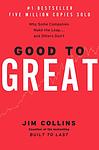
1. Good To Great
Why Some Companies Make the Leap... and Others Don't
The book explores why some companies transition from being merely good to truly great, while others do not. It identifies key principles and practices that successful companies share, such as disciplined people, thought, and action, as well as the importance of having the right leadership, often characterized by humility and professional will. The research highlights the significance of a clear understanding of what the company can be the best at, a culture of discipline, and the effective use of technology as an accelerator rather than a primary driver of transformation. Through rigorous analysis, the book provides a roadmap for achieving sustained excellence.
The 17166th Greatest Book of All TimePurchase from Amazon -
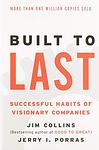
2. Built To Last
Successful Habits of Visionary Companies
The book explores the characteristics and strategies that distinguish visionary companies from their less successful counterparts. Through extensive research and case studies, it identifies key principles such as a strong core ideology, a commitment to continuous improvement, and the ability to adapt to change while maintaining core values. The book emphasizes the importance of building a company that endures over time, focusing on long-term success rather than short-term gains, and highlights the role of effective leadership in fostering a culture of innovation and resilience.
-
3. Great By Choice
Uncertainty, Chaos, and Luck—Why Some Thrive Despite Them All

Drawing on rigorous comparisons of companies that thrived amid uncertainty versus those that faltered, this work argues that outsized success in chaotic environments comes from fanatic discipline, empirical creativity, and productive paranoia. It presents practices like the 20 Mile March, firing bullets before cannonballs, and crafting SMaC recipes to enable steady execution, and examines “return on luck” to show how leaders convert both good and bad breaks into advantage. The takeaway is that sustained performance hinges less on bold vision or risk-seeking and more on consistent, evidence-based action and relentless preparation.
Purchase from Bookshop.org