Brett King
Brett King is a well-known futurist, author, and speaker who focuses on the future of banking and financial services. He is recognized for his insights into how technology is transforming the financial industry and is the author of several books on the subject.
Books
This list of books are ONLY the books that have been ranked on the lists that are aggregated on this site. This is not a comprehensive list of all books by this author.
-
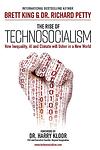
1. The Rise Of Technosocialism
How Inequality, AI, and Climate Will Usher in a New World
The book explores the transformative impact of technology on global economies and societies, arguing that the convergence of technological advancements and social changes is leading to a new economic paradigm. It examines how automation, artificial intelligence, and digital platforms are reshaping labor markets, wealth distribution, and governance structures. The authors propose that these shifts necessitate a reevaluation of traditional economic models and advocate for a technosocialist approach, which emphasizes equitable access to technology-driven prosperity and the need for policies that ensure social welfare in an increasingly automated world.
-
2. Bank 4.0
Banking Everywhere, Never at a Bank

This book examines how banking is being reshaped by digital technologies and shifting customer expectations, arguing that financial services must move from product-driven institutions to invisible, platform-based experiences embedded in everyday life. It describes trends such as mobile-first services, APIs and open banking, artificial intelligence, and the rise of fintech and nonbank competitors, and offers practical guidance for banks to become agile, data-driven organizations that deliver seamless, personalized financial services across devices and ecosystems.
Purchase from Bookshop.org -
3. Bank 2.0
How Customer Behaviour and Technology Will Change the Future of Financial Services
A forward-looking analysis of how digital technology is reshaping financial services, arguing that traditional banks risk being disintermediated unless they adopt mobile, social, real‑time and API-driven models; customers will increasingly access banking services embedded in devices and platforms rather than branches, so banks must shift from product-focused institutions to data-driven service providers that deliver contextual, personalized experiences. The book explains how payments, lending, advice and customer engagement are being transformed by smartphones, cloud computing, big data and social networks, and offers strategic guidance for banks to innovate, open platforms, partner with fintechs and redesign processes to remain relevant in a rapidly changing landscape.