Mark Greif
Mark Greif is an American author and a founding editor of the literary magazine n+1. He is known for his essays and works on contemporary culture and society.
Books
This list of books are ONLY the books that have been ranked on the lists that are aggregated on this site. This is not a comprehensive list of all books by this author.
-
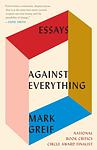
1. Against Everything
Essays
The book is a collection of thought-provoking essays that critically examine various aspects of contemporary life and culture. It delves into topics such as the impact of technology, the nature of modern consumerism, the complexities of personal identity, and the societal pressures that shape our daily experiences. Through a blend of intellectual rigor and accessible prose, the author challenges readers to reconsider their assumptions and engage in deeper reflection about the world around them, ultimately encouraging a more thoughtful and questioning approach to everyday existence.
The 17173rd Greatest Book of All TimePurchase from Amazon -
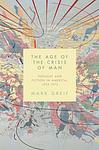
2. The Age Of The Crisis Of Man
Thought and Fiction in America, 1933–1973
The book examines the mid-20th-century intellectual and cultural discourse surrounding the concept of "man" and humanity's existential crises. It explores how writers, philosophers, and thinkers grappled with the challenges of modernity, including war, technological advancement, and social change, and how these issues influenced literature, philosophy, and political thought. The narrative delves into the era's attempts to redefine human identity and purpose in the face of profound global upheaval, highlighting the enduring impact of these debates on contemporary thought.
-
3. Institutions And The Path To The Modern Economy
Lessons from Medieval Trade

A study of how economic and political institutions shaped the transition from medieval trade to modern market economies, emphasizing the move from personal, reputation-based exchange to impersonal, contract-enforced transactions. Using historical case studies and game-theoretic reasoning, it explains how norms, legal rules, and organizations co-evolve to address problems of commitment and enforcement. It shows why societies followed different development paths and how specific institutional configurations enabled Europe’s rise to sustained growth.