Philip G. Zimbardo
Philip George Zimbardo is an American psychologist and professor emeritus at Stanford University, known for his research on social psychology, including the Stanford prison experiment. He has written numerous books and is a prominent figure in the field of psychology.
Books
This list of books are ONLY the books that have been ranked on the lists that are aggregated on this site. This is not a comprehensive list of all books by this author.
-
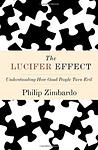
1. The Lucifer Effect
Understanding How Good People Turn Evil
The book explores the psychological mechanisms that can lead ordinary people to commit extraordinary acts of evil, drawing on the author's famous Stanford prison experiment as a foundational case study. It delves into the situational and systemic factors that can influence human behavior, illustrating how social environments and authority figures can lead individuals to act in ways that contradict their personal morals and ethics. By examining historical events and real-world examples, the book seeks to understand how good people can be transformed into perpetrators of evil, ultimately offering insights into the prevention of such transformations.
-
2. Understanding The Lord Of The Rings
Insights from a Masterpiece

This insightful exploration delves into the rich tapestry of themes, characters, and mythological elements that make up the epic fantasy world of Middle-earth. It offers readers a deeper understanding of the intricate narrative and symbolic layers within the story, examining the philosophical and psychological dimensions that underpin the journey of its iconic characters. The analysis highlights the timeless appeal and enduring relevance of the tale, inviting readers to reflect on the universal truths and moral dilemmas presented in the narrative.
-
3. The Time Paradox
The New Psychology of Time That Will Change Your Life
This insightful exploration delves into the intricate ways humans perceive and interact with time, revealing how these perceptions shape our decisions, behaviors, and overall well-being. By examining the psychological concept of time perspective, the book uncovers the profound impact of past, present, and future orientations on personal and societal levels. Through engaging anecdotes and scientific research, it offers practical strategies to harness the power of time perspective, encouraging readers to cultivate a balanced temporal outlook for a more fulfilling and meaningful life.
-
4. The Psychology Of Attitude Change And Social Influence
An integrative overview of how attitudes are formed, maintained, and changed, linking classic and contemporary research on cognition, motivation, and social context. It explains mechanisms of persuasion—from source, message, and audience factors to cognitive dissonance, self-perception, and attribution—while distinguishing conformity, compliance, and obedience within groups. The text synthesizes laboratory and field evidence on norms, roles, and situational pressures, and examines tactics such as foot-in-the-door, door-in-the-face, and inoculation. Applications to advertising, politics, health, and law, along with ethical considerations, illustrate how influence operates in everyday life.