Bent Flyvbjerg
Bent Flyvbjerg is a Danish economic geographer and professor known for his work on megaproject management, decision-making, and social science methodology.
Books
This list of books are ONLY the books that have been ranked on the lists that are aggregated on this site. This is not a comprehensive list of all books by this author.
-
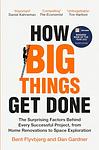
1. How Big Things Get Done
The Surprising Factors Behind Every Successful Project
This insightful book delves into the complexities of executing large-scale projects, exploring why so many of them fail to meet their original goals in terms of time, budget, and quality. It examines the psychological, political, and economic factors that often lead to mismanagement and inefficiencies, while offering practical strategies to overcome these challenges. Through a blend of real-world examples and expert analysis, the book provides a roadmap for successfully navigating the intricate landscape of big projects, emphasizing the importance of realistic planning, stakeholder engagement, and adaptive management.
The 17173rd Greatest Book of All TimePurchase from Amazon -
2. The Oxford Handbook Of Megaproject Management

A comprehensive synthesis of research and practice on planning and delivering large-scale, complex ventures, explaining why they often exceed budgets, miss deadlines, and underperform on benefits. Drawing on interdisciplinary perspectives and global case studies, it analyzes governance, risk, forecasting, stakeholder dynamics, and institutional and behavioral drivers such as optimism bias and strategic misrepresentation. It offers evidence-based tools—including reference class forecasting and stronger front-end governance—to improve decision making, accountability, and outcomes for practitioners and policymakers.
-
3. Megaprojects And Risk
An Anatomy of Ambition
A critical examination of why large-scale infrastructure projects so often run over budget, behind schedule, and underperform on promised benefits, tracing the root causes to optimism bias, strategic misrepresentation, and flawed incentives in politics and organizations. Through international case studies, it reveals how power dynamics and institutional pressures distort forecasts and decision-making. The book outlines practical remedies—such as reference class forecasting, rigorous risk management, transparency, and stronger accountability—to improve project selection and delivery and better serve the public interest.
Purchase from Bookshop.org