Raymond Williams
Raymond Williams was a Welsh cultural theorist, critic, and novelist. He was an influential figure in the New Left and is known for his work on cultural studies and the concept of cultural materialism. His notable works include 'Culture and Society' and 'The Long Revolution'.
Books
This list of books are ONLY the books that have been ranked on the lists that are aggregated on this site. This is not a comprehensive list of all books by this author.
-
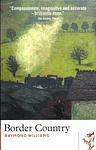
1. Border Country
Set against the backdrop of a small Welsh village, this poignant narrative explores the intricate relationship between personal identity and place. The story follows Matthew Price, a university lecturer, as he returns to his childhood home to care for his ailing father. Through Matthew's introspective journey, the novel delves into themes of belonging, memory, and the passage of time, capturing the tension between the rural past and the encroaching modern world. As Matthew reconnects with his roots, he grapples with the complexities of familial bonds and the enduring influence of his upbringing on his present self.
The 17161st Greatest Book of All TimePurchase from Amazon -
2. Culture And Society, 1780 1950
The Development of Cultural Forms and Institutions
This seminal work explores the evolution of cultural thought and its relationship with society from the late 18th century to the mid-20th century. It delves into the interplay between literature, art, and social change, examining how cultural expressions have both influenced and been influenced by the shifting dynamics of industrialization, democracy, and class structure. Through a critical analysis of key figures and movements, the book highlights the complex dialogue between culture and society, offering insights into how cultural narratives shape and reflect the human experience over time.
Purchase from Bookshop.org -
3. The Country And The City

This insightful work delves into the complex relationship between rural and urban life, exploring how these contrasting environments have been portrayed in literature throughout history. By examining a wide range of texts, the author reveals the evolving perceptions and realities of the countryside and the city, highlighting the socio-economic and cultural shifts that have shaped these narratives. The book offers a nuanced analysis of how literature reflects and influences our understanding of these spaces, ultimately challenging the reader to reconsider the often romanticized or vilified depictions of rural and urban settings.
Purchase from Bookshop.org -
4. Keywords
A Vocabulary of Culture and Society
This insightful work delves into the evolution and significance of language in shaping cultural and social understanding. It meticulously examines a selection of key terms, tracing their historical transformations and the shifting contexts in which they have been used. By exploring the nuanced meanings and implications of these words, the book reveals how language reflects and influences societal changes, offering readers a profound understanding of the interplay between words and the world they describe.
Purchase from Bookshop.org -
5. Modern Tragedy
Reinterprets tragedy as a historically grounded, social experience rather than a fixed literary form, showing how modern conflicts of agency, responsibility, and power generate tragic situations in both drama and public life. It critiques formalist and purely psychological accounts, emphasizing the roles of economic and political structures in shaping suffering and moral choice. Through analyses of plays and public events such as revolutions and crises, it argues that tragic understanding endures as a vital resource for recognizing human limits and collective possibilities in modern society.
Purchase from Bookshop.org -
6. Communications By Raymond Williams Paperback
A concise exploration of how modern communication systems—press, broadcasting, film and emerging technologies—both shape and are shaped by social, political and economic forces. Combining historical overview with institutional and cultural analysis, the work challenges technological determinism, foregrounds the active role of audiences, and links media forms to class, power and cultural change. It argues for democratic oversight of communications and lays out foundational ideas for thinking about media as part of wider social and cultural processes.
-
7. Politics And Letters
A collection of essays and conversations that examines the interdependence of culture and politics, arguing that literature, language and everyday practices are integral to social life and political change rather than mere reflections of economic structures. It traces the history of ideas in relation to class formation, critiques doctrinaire Marxism, develops a cultural-materialist approach (including the concept of a “structure of feeling”), and emphasizes the role of institutions, education and intellectuals in shaping and reproducing power. Combining close readings of texts with broad political analysis, it insists on connecting cultural criticism to practical politics and democratic forms of social transformation.
Purchase from Bookshop.org