Juliet B. Schor
Juliet B. Schor is an American economist and sociologist known for her research on consumerism, work, and economic sustainability. She has authored several influential books and is a professor at Boston College.
Books
This list of books are ONLY the books that have been ranked on the lists that are aggregated on this site. This is not a comprehensive list of all books by this author.
-
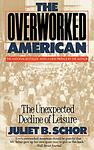
1. The Overworked American
The Unexpected Decline of Leisure
This insightful book delves into the paradox of increased productivity in the United States, which has not translated into more leisure time for its citizens. It explores how Americans are working longer hours than ever before, driven by cultural, economic, and technological forces that prioritize work over personal time. The narrative examines the historical shifts in labor practices and societal values, highlighting the consequences of this relentless work ethic on individual well-being and family life. Through a blend of research and analysis, the book challenges the notion that more work equates to greater prosperity, urging a reevaluation of how time is valued in modern society.
-
2. The Overspent American
Why We Want What We Don't Need

A sociological and economic analysis of how shifting reference groups—magnified by media and the workplace—drive status competition, upscale emulation, and spending beyond one’s means. It links social comparison to household debt, time pressures from longer work hours, and environmental costs, explaining why many feel materially insecure despite higher incomes. It concludes with remedies such as downshifting, voluntary simplicity, stronger community norms, and policy changes to prioritize well-being over consumption.
Purchase from Bookshop.org -
3. Born To Buy
The Commercialized Child and the New Consumer Culture
A social critique of how modern marketing and media actively cultivate consumer identities among children, documenting tactics—advertising, branded media, peer-targeted marketing and 'pester power'—that drive materialistic values, reshape family spending and change play and social life; drawing on interviews, surveys and industry analysis, it links childhood commercialization to harms in well-being and inequality and calls for policy and cultural changes (limits on marketing to kids, better parental and school-based education, and corporate responsibility) to protect children from pervasive commercial influence.
Purchase from Bookshop.org