Martin Heidegger
Martin Heidegger was a German philosopher known for his contributions to phenomenology, existentialism, and hermeneutics. His seminal work, 'Being and Time,' is considered one of the most important philosophical texts of the 20th century.
Books
This list of books are ONLY the books that have been ranked on the lists that are aggregated on this site. This is not a comprehensive list of all books by this author.
-
1. Being and Time
Being and Time is a seminal work that explores the concept of "being" through a detailed analysis of human existence. The book delves into existential and phenomenological thought, examining how humans relate to the world and their own existence. The author argues that people are always "being-in-the-world" and that understanding this fundamental state is crucial to comprehending the broader concept of being. The work also introduces the concept of "Dasein," a term used to describe the specific type of being that humans possess.
The 517th Greatest Book of All TimePurchase from Bookshop.org or Amazon -
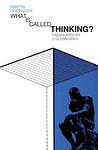
2. What Is Called Thinking?
The book explores the nature of thought and understanding, delving into the essence of what it means to think. The author challenges the traditional views of thinking as mere cognition or problem-solving, proposing instead that true thinking is a profound engagement with being itself. Through a detailed examination of the works of philosophers, poets, and other thinkers, the text invites readers to reconsider the relationship between thought, language, and the essence of humanity, emphasizing the need for authenticity in the process of thinking and the transformative potential it holds for understanding our existence.
The 10310th Greatest Book of All TimePurchase from Bookshop.org or Amazon -
3. What Is Metaphysics?
In "What Is Metaphysics?" the author delves into the complex philosophical concepts of existence and reality. Heidegger explores the notion of 'nothingness' and its importance in understanding being. He argues that the concept of 'nothing' is integral to the essence of 'being', and that our comprehension of 'nothing' provides a basis for all other philosophical inquiries. This text is a cornerstone in existential philosophy, challenging traditional metaphysical views and prompting readers to question their understanding of reality.
The 14890th Greatest Book of All TimePurchase from Amazon -
4. Parmenides
An Interpretation of Parmenides' Poem
In this profound exploration of ancient Greek philosophy, the author delves into the enigmatic fragments of the pre-Socratic thinker Parmenides, unraveling the intricate relationship between being and thought. Through a meticulous analysis of Parmenides' poem, the text examines the foundational concepts of truth and reality, challenging conventional interpretations and offering a fresh perspective on the nature of existence. The work serves as a bridge between ancient philosophical inquiries and contemporary existential questions, inviting readers to reconsider the essence of being and the limits of human understanding.
Purchase from Bookshop.org -
5. Basic Writings
From Being and Time (1927) to The Task of Thinking (1964)
This collection offers a profound exploration into the nature of being, time, and existence, presenting a series of essays that delve into the fundamental questions of philosophy. Through a meticulous examination of language, truth, and metaphysics, the work challenges traditional Western thought, urging readers to reconsider the essence of reality and the human experience. The writings encapsulate a transformative approach to understanding the world, emphasizing the importance of authenticity and the intricate relationship between individuals and their surroundings.
Purchase from Bookshop.org -
6. Letter On Humanism

In this profound philosophical essay, the author challenges traditional interpretations of humanism, arguing that it has been misunderstood and misapplied throughout history. By critiquing the anthropocentric view that places humans at the center of existence, the text explores the deeper essence of being and the relationship between language and thought. The author emphasizes the need to rethink the concept of humanism in a way that acknowledges the interconnectedness of all beings, urging a return to the fundamental questions of existence and the role of philosophy in understanding the human condition.
-
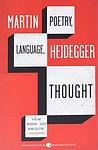
7. Poetry, Language, Thought
This profound exploration delves into the intricate relationship between poetry, language, and thought, offering a philosophical inquiry into how language shapes human existence and understanding. Through a series of essays, the text examines the essence of poetic expression as a fundamental mode of revealing truth and being, emphasizing the transformative power of words in articulating the human experience. It challenges readers to reconsider the role of language in shaping reality, urging a deeper appreciation for the poetic as a vital means of engaging with the world.
Purchase from Bookshop.org -
8. Kant And The Problem Of Metaphysics
This philosophical work delves into the intricate relationship between metaphysics and epistemology, exploring how human understanding shapes the very nature of reality. It reinterprets the critical philosophy of a seminal thinker, emphasizing the role of imagination and temporality in the formation of knowledge. By examining the foundational structures of human cognition, the text seeks to uncover the underlying conditions that make metaphysical inquiry possible, challenging traditional interpretations and offering a fresh perspective on the limits and possibilities of human thought.
Purchase from Bookshop.org -
9. Hölderlin's Hymn The Ister
Hölderlin's Hymn "The Ister
This philosophical work delves into the intricate relationship between poetry and philosophy, exploring the profound depths of human existence through an analysis of a hymn by the German poet Friedrich Hölderlin. The text examines the themes of nature, time, and the essence of being, as it seeks to uncover the hidden meanings within the poetic verses. Through a meticulous interpretation, the author reveals how the hymn reflects the broader existential questions of identity, belonging, and the human condition, offering readers a unique perspective on the interplay between language, thought, and reality.
Purchase from Bookshop.org -
10. The Origin Of The Work Of Art
This philosophical exploration delves into the essence and significance of art, proposing that art is not merely a representation of reality but a means through which truth is revealed. It challenges traditional notions by suggesting that art creates a world where the interplay between the material and the immaterial brings forth new understandings of existence. Through an analysis of the relationship between the artist, the artwork, and the observer, the text argues that art holds the power to disclose the hidden dimensions of being, thus playing a pivotal role in shaping human experience and perception.
-
11. Introduction To Metaphysics
From Parmenides to Nietzsche
This philosophical work delves into the fundamental questions of existence and being, exploring the nature of reality and the human experience of it. It challenges readers to reconsider the essence of being by examining the interplay between language, thought, and the world. Through a critical analysis of traditional metaphysical concepts, the text seeks to uncover the underlying structures that shape our understanding of existence, urging a return to the original Greek inquiry into the nature of being. The work is a profound meditation on the interconnectedness of language and reality, offering a transformative perspective on how we perceive and engage with the world.
Purchase from Bookshop.org -
12. The Question Concerning Technology And Other Essays
Essays in Philosophy
This collection of essays delves into the philosophical exploration of technology and its profound impact on human existence and understanding. The author examines the essence of technology beyond its mere functionality, proposing that it shapes our perception of the world and our place within it. Through a critical lens, the essays challenge readers to reconsider the relationship between humanity and technology, urging a deeper reflection on how technological advancements influence our lives, values, and the environment. The work is a thought-provoking inquiry into the nature of being and the transformative power of technological progress.
Purchase from Bookshop.org -
13. Serenidade
This philosophical work delves into the concept of serenity as a state of being that transcends the distractions and demands of modern life. It explores the idea of letting go of the constant pursuit of technological advancement and material gain, advocating for a return to a more contemplative and mindful existence. Through a series of reflections, the text encourages readers to embrace a deeper connection with nature and the essence of being, suggesting that true fulfillment arises from an inner peace and understanding of one's place in the world.
Purchase from Bookshop.org -
14. Construir Habitar Pensar
This philosophical work delves into the intricate relationship between human existence and the spaces we inhabit, exploring how building and dwelling are fundamental to our understanding of being. It examines the essence of architecture beyond mere construction, proposing that true dwelling involves a harmonious connection with the environment and a deeper engagement with the world. Through a reflective analysis, it challenges readers to reconsider the way they perceive and interact with their surroundings, emphasizing the importance of thoughtful design and meaningful habitation in shaping human experience.
-
15. History Of The Concept Of Time
Prolegomena
This philosophical work delves into the intricate relationship between time and human existence, exploring how our understanding of time shapes our perception of being. It examines the historical evolution of the concept of time, drawing from various philosophical traditions to highlight how time is not merely a sequence of events but a fundamental aspect of human experience. Through a detailed analysis, the text challenges conventional notions of temporality, urging readers to reconsider the role of time in shaping consciousness and reality.
Purchase from Bookshop.org -
16. The Essence Of Truth
On Plato's Cave Allegory and Theaetetus
This philosophical work delves into the intricate relationship between truth and being, exploring how truth is not merely a correspondence between statements and reality but a dynamic process of uncovering and revealing. It examines the historical evolution of the concept of truth, particularly through the lens of ancient Greek philosophy, and challenges traditional notions by proposing that truth is an event that unfolds through human existence and understanding. The text invites readers to reconsider the essence of truth as an ongoing journey of discovery, deeply intertwined with the nature of human perception and the world.
Purchase from Bookshop.org -
17. Rinktiniai Raštai
This collection of selected writings delves into the profound philosophical inquiries surrounding the nature of being, existence, and the human condition. It explores the intricate relationship between language and thought, emphasizing the importance of questioning and understanding the essence of reality. Through a series of essays and reflections, the work challenges traditional metaphysical concepts, urging readers to reconsider their perceptions of truth and meaning. The text serves as a pivotal exploration of existential themes, encouraging a deeper engagement with the complexities of life and the world around us.
-
18. Meno Kūrinio Ištaka
This philosophical work delves into the essence and origin of art, exploring how art reveals truths about the world and our existence. It examines the relationship between the creator, the creation, and the observer, proposing that art is not merely a reflection of reality but a dynamic process that shapes and is shaped by the cultural and historical context. Through a deep analysis of the nature of being and the role of the artist, the text challenges traditional perceptions of art, suggesting that it serves as a conduit for understanding the fundamental nature of reality.
-
19. Uvod V Metafiziko
This philosophical work delves into the fundamental questions of existence, exploring the nature of being and the essence of reality. It challenges readers to reconsider their understanding of metaphysics by examining the relationship between language and thought, and how these elements shape our perception of the world. Through a series of profound inquiries, the text seeks to uncover the underlying structures that govern human experience, urging a return to the original questions of philosophy to gain deeper insight into the nature of existence itself.
-
20. Metafysiken Som Varats Historia
This philosophical work delves into the intricate relationship between metaphysics and the history of being, exploring how the essence of existence has been interpreted and transformed throughout time. It examines the foundational questions of what it means to "be" and how these concepts have shaped human understanding and the development of Western thought. Through a critical analysis of historical philosophical perspectives, the text seeks to uncover the underlying structures that have influenced the evolution of metaphysical inquiry, ultimately questioning the very nature of reality and our place within it.
-
21. Identitet Och Differens
This philosophical work delves into the intricate relationship between identity and difference, exploring how these concepts are fundamental to understanding being itself. Through a series of lectures, the text examines the dynamic interplay between sameness and distinction, challenging traditional metaphysical notions and inviting readers to reconsider the essence of existence. The discourse navigates through complex ideas, emphasizing the importance of language and thought in shaping our perception of reality, ultimately seeking to illuminate the profound interconnectedness of all things.
-
22. The Question Concerning The Thing
On Kant's Doctrine of the Transcendental Principles
A philosophical inquiry into what makes a thing what it is, tracing the shift from ancient to modern understandings and distinguishing everyday presencing from scientific objectification. Through a reinterpretation of Kant’s transcendental principles, it asks how objects gain determinacy and presence while exposing the metaphysical assumptions grounding modern physics. Ultimately, it seeks the conditions that allow things to appear at all, pointing to the horizons of world, time, and being within which they show themselves.
Purchase from Bookshop.org -
23. Introduction To Phenomenological Research
This lecture course presents a rigorous account of phenomenology as a method of letting what shows itself be seen from itself, clarifying the notions of phenomenon, logos, and interpretation. Reworking and critiquing Husserl’s program, it shifts the center of inquiry from pure consciousness to factical, historically situated life—being-in-the-world—analyzing worldhood, everydayness, intentionality, and meaning. It develops tools such as formal indication and a critical “destruction” of inherited concepts to ground a hermeneutic approach that prepares the way for an existential analytic of human being.
Purchase from Bookshop.org -
24. Hegel's Phenomenology Of Spirit
A set of lectures that offers a probing interpretation of Hegel’s project, reading the path of experience whereby consciousness, through the labor of the negative and relations of recognition, advances from immediacy to self-knowing spirit and absolute knowledge. It elucidates decisive stations—sense-certainty, perception, understanding, self-consciousness—and situates them within the history of metaphysics, arguing that the culmination of Western thought appears as the identity of being and thinking. Along the way it reconsiders phenomenology, language, and the nature of truth and appearance, both appropriating and critiquing the dialectical movement to illuminate the meaning of history and the stakes of ontology.
Purchase from Bookshop.org -
25. Phenomenological Interpretation Of Kant's Critique Of Pure Reason
A phenomenological reading of the first Critique, this work argues that transcendental imagination and temporality form the concealed core of the conditions of possibility for experience and objectivity. It reinterprets the transcendental aesthetic, schematism, and analytic of principles to show how categories are grounded in time and the finitude of the knower rather than in a merely formal epistemology. By tracing synthesis to the original unity of time and imagination, it seeks to retrieve a more originary understanding of being underpinning critical philosophy, thereby reorienting the critical project toward fundamental ontology.
Purchase from Bookshop.org -
26. Ontology—The Hermeneutics Of Facticity
The Hermeneutics of Facticity
An early phenomenological inquiry into factical life, this work develops an interpretive approach that treats human existence as fundamentally situated in everyday practices, moods, and historical contexts. It challenges detached, theoretical accounts of subject and object by showing how understanding and interpretation are basic modes of being-in-the-world. Through concepts like formal indication and the hermeneutic circle, it uncovers structures of concern, worldhood, and temporality that ground experience, outlining a renewal of ontology rooted in lived experience rather than abstract cognition.
Purchase from Bookshop.org -
27. Correspondence 1949–1975
A collection of letters exchanged from 1949 to 1975 between a leading German philosopher and a prominent writer, tracing an evolving postwar dialogue on nihilism, technology, modernity, poetry, and the question of Being. Set against the backdrop of Germany’s reconstruction and shifting intellectual currents, the correspondence blends rigorous critique with personal regard, revealing both convergences and tensions as the two interlocutors grapple with the legacy of metaphysics and the cultural-political stakes of their time.
-
28. Essays In Metaphysics
Identity and Difference
A collection of pivotal essays that probe the question of Being and the ontological difference between beings and Being, tracing how the Western tradition became onto-theological and how this legacy shapes modern science and technology. Through close engagements with ancient and modern thinkers, it reconsiders identity and difference, truth, language, and the limits of metaphysical concepts, urging a shift from representational thinking toward a more originary, attentive way of thinking that lets what shows itself come to presence.
Purchase from Bookshop.org -
29. The Phenomenology Of Religious Life
A series of early lectures that explores early Christian life as lived experience, using phenomenological description rather than doctrinal or theological analysis. Drawing on Pauline letters and Augustine, it examines how faith is enacted in everyday existence through structures such as mood, temporality, conscience, and kairos. By interpreting the enactment of belief within concrete situations, it reveals a distinctive understanding of self, world, and history that anticipates later existential themes.
Purchase from Bookshop.org -
30. Logic
The Question of Truth
A phenomenological rethinking of “logic,” this work asks what makes truth, assertion, and judgment possible in the first place. It moves beyond formal inference to ground logical phenomena in human existence and world-disclosure, treating propositions as modes of uncovering rather than mere correspondence. Through analyses of logos, language, and the as-structure of interpretation, it shows how assertion arises from a more primordial understanding, clarifies how error and negation occur, and critiques traditional logical theory in favor of an originary account of truth rooted in being-in-the-world.
Purchase from Bookshop.org -
31. Nietzsche, Volumes One And Two
A rigorous, close reading that traces the emergence and logic of modern nihilism through Nietzsche’s key concepts—will to power, eternal recurrence, slave morality, and the critique of metaphysics—arguing that Nietzsche both exposes and accelerates the collapse of traditional metaphysical foundations while pointing toward an ambiguous possibility for rethinking Being and history; the study situates Nietzsche within the trajectory of Western metaphysics, diagnosing the crisis of values and exploring how his thought both intensifies and gestures beyond nihilism.
Purchase from Bookshop.org -
32. De Oorsprong Van Het Kunstwerk
In dit essay wordt kunst opgevat als een gebeurtenis waarin waarheid zich ontvouwt: een kunstwerk zet een spanningsveld open tussen 'wereld' (orde, betekenissen, cultuur) en 'aarde' (dat wat zich verbergt en weerstand biedt), waarbij het kunstwerk tegelijk ding en openbaring is. Door deze strijd toont het werk iets van het Zijn zelf en onthult het hoe mensen zich verhouden tot hun historische en existentiële bestaansvoorwaarden; kunstenaar, werk en aanschouwer spelen daar samen een rol in het vrijmaken van wat tot dan toe verborgen was.
-
33. Heraclitus Seminar
A careful, philologically grounded reading of the surviving fragments that treats Heraclitus not merely as a proto-scientist of change but as a thinker whose talk of logos, strife, and the ever-flowing river compels a fundamental rethinking of Being and thinking. The seminar unfolds how opposites belong together in an originating tension, how language (logos) both grounds and discloses the world, and how concealment and unconcealment are integral movements of truth rather than accidental features. Across close textual attention and ontological reflection, the work reframes Heraclitus’ images and paradoxes as an evental call to think Being as happening — a dynamic interplay of becoming, ordering, and revealing that challenges static metaphysical assumptions.
-
34. El Ser Y El Tiempo
Ofrece un análisis fenomenológico-existencial de la existencia humana (Dasein), mostrando cómo el ser se revela siempre como ser-en-el-mundo, estructurado por el cuidado (Sorge), la arrojamiento, la cotidianidad y la posibilidad de autenticidad frente a la finitud. Sostiene que la comprensión del ser pasa por la temporalidad, critica la reducción del ser a meros objetos en la tradición ontológica y propone que asumir la propia finitud y la resolutividad ante la muerte permite una existencia más auténtica.