Arthur Schopenhauer
Arthur Schopenhauer was a German philosopher best known for his work 'The World as Will and Representation'. He is often regarded as a pessimist and his philosophy has influenced many later thinkers, including Friedrich Nietzsche, Sigmund Freud, and Richard Wagner.
Books
This list of books are ONLY the books that have been ranked on the lists that are aggregated on this site. This is not a comprehensive list of all books by this author.
-
1. The World as Will and Idea
Representation
This philosophical work posits that the world is driven by a continually dissatisfied will, continually seeking satisfaction. The book is divided into four parts, with the first addressing the world as representation, the second detailing the world as will, the third discussing art and beauty as the only way to transcend the painful human condition, and the fourth discussing ethics and the ascetic ideal. The author argues that the will is the underlying reality of the world, beyond mere appearances, and that it is characterized by ceaseless striving and suffering.
The 1515th Greatest Book of All TimePurchase from Bookshop.org or Amazon -
2. Essays and Aphorisms
This book is a collection of philosophical essays and aphorisms that delve into an array of topics including morality, religion, and philosophy. The author presents a pessimistic worldview, arguing that suffering is an inherent part of human existence. He discusses the nature of freedom, the importance of individuality, and the role of art and aesthetics in life. The book is known for its accessible style, making complex philosophical ideas understandable for a general audience.
The 1657th Greatest Book of All TimePurchase from Bookshop.org or Amazon -
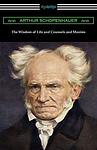
3. The Wisdom Of Life And Counsels And Maxims
Being Selections from the Works of Arthur Schopenhauer
This philosophical work delves into the essence of human existence, exploring the pursuit of happiness and the nature of human desires. It offers practical advice on how to navigate life's challenges by understanding the balance between personal contentment and external influences. The text emphasizes the importance of self-awareness, moderation, and the cultivation of inner peace as pathways to a fulfilling life. Through a series of insightful reflections, it encourages readers to seek wisdom and clarity in their everyday experiences, ultimately guiding them towards a more meaningful and harmonious existence.
The 16611th Greatest Book of All TimePurchase from Bookshop.org or Amazon -
4. The World As Will And Representation, Volume I
The World as Will and Idea
This philosophical work explores the concept of the world as a dual entity, consisting of "will" and "representation." It posits that the world we perceive is merely a representation shaped by our senses and intellect, while the underlying reality is driven by an irrational and blind force known as "will." The text delves into the nature of human experience, emphasizing the suffering inherent in existence due to the insatiable nature of will. It also discusses art and aesthetics as a means to transcend the will, offering a temporary escape from the cycle of desire and pain.
The 16972nd Greatest Book of All TimePurchase from Bookshop.org -
5. The World As Will And Representation, Volume Ii
The World as Will and Idea

This philosophical work delves deeper into the exploration of the metaphysical concept of "will" as the fundamental essence of reality, building upon the ideas introduced in the first volume. It examines the interplay between the will and human perception, emphasizing the role of art, aesthetics, and genius in transcending the suffering inherent in existence. The text also critiques the limitations of human knowledge and rationality, proposing that true understanding lies in the intuitive grasp of the world as a manifestation of the will. Through a blend of rigorous analysis and profound insight, it offers a compelling vision of the world that challenges conventional notions of reality and consciousness.
The 17050th Greatest Book of All TimePurchase from Bookshop.org -
6. Aphorismen Zur Lebensweisheit
A concise, often pessimistic collection of sharp reflections and practical maxims about how to live well by understanding human nature, controlling desires, and cultivating inner independence and intellectual character; it discusses the limits of happiness, strategies for minimizing suffering, the roles of friendship, marriage, wealth, fame, and solitude, and offers psychologically acute advice for navigating social life and personal conduct.
The 17153rd Greatest Book of All TimePurchase from Bookshop.org -
7. Studies In Pessimism
A Series of Essays
The book explores the philosophical concept of pessimism, delving into the inherent suffering and futility of human existence. It presents a series of essays that critique the overly optimistic views of life, arguing that pain and dissatisfaction are fundamental aspects of the human condition. Through a critical examination of human desires, relationships, and societal constructs, the book suggests that true wisdom lies in acknowledging life's inherent struggles and adopting a more realistic, albeit somber, perspective on existence.
-
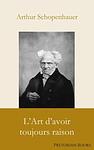
8. L'art D'avoir Toujours Raison
Stratagems
The book explores the art of winning arguments through a series of rhetorical strategies and techniques. It delves into the psychology of debate, offering insights into how individuals can effectively persuade others and defend their positions, regardless of the truth or moral standing of their arguments. By dissecting various methods of manipulation and logical fallacies, the work serves as both a satirical critique of human nature's argumentative tendencies and a practical guide for those seeking to enhance their skills in discourse and persuasion.
-
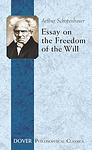
9. Essay On The Freedom Of The Will
On the Basis of Morality
This philosophical treatise delves into the intricate nature of human free will, exploring the tension between determinism and individual autonomy. It argues that while humans perceive themselves as free agents, their actions are ultimately governed by a complex interplay of internal and external determinants, including character, motives, and circumstances. The work challenges the notion of absolute freedom, suggesting that true freedom lies in understanding and accepting the constraints of one's will, thereby fostering a deeper comprehension of human behavior and responsibility.
-
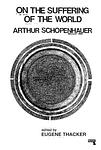
10. On The Suffering Of The World
This philosophical exploration delves into the inherent nature of human suffering, positing that life is fundamentally characterized by pain and dissatisfaction. It argues that the relentless pursuit of desires leads to inevitable disappointment, as fulfillment is fleeting and often replaced by new cravings. The work suggests that true contentment is elusive, and the human condition is marked by a perpetual cycle of want and temporary satisfaction. Through a series of essays, the text examines the futility of existence and the ways in which individuals might confront and understand their own suffering.
Purchase from Bookshop.org -
11. El Arte De Ser Feliz
50 Reglas de Vida
This insightful work delves into the philosophical musings on the pursuit of happiness, offering a collection of aphorisms and reflections that guide readers through the complexities of human emotions and desires. It emphasizes the importance of managing expectations, understanding the transient nature of pleasure, and cultivating a mindset that embraces simplicity and contentment. Through a blend of wisdom and practicality, the text encourages individuals to seek inner peace and fulfillment by aligning their lives with the realities of the human condition, rather than chasing fleeting external gratifications.
Purchase from Bookshop.org -
12. The Essential Schopenhauer
Key Selections from The World as Will and Representation and Other Writings
This book offers a curated collection of profound insights and philosophical musings from one of the most influential thinkers of the 19th century. It delves into the complexities of human existence, exploring themes such as the nature of reality, the role of art, and the pursuit of happiness. Through a series of essays and aphorisms, readers are invited to reflect on the human condition, the will to live, and the often-pessimistic view of life that challenges conventional wisdom. The work serves as both an introduction to and a comprehensive overview of the philosopher's key ideas, making it accessible to both newcomers and seasoned scholars alike.
Purchase from Bookshop.org -
13. A Metafísica Do Amor
This philosophical treatise delves into the nature of human attraction and romantic love, exploring the underlying motivations and instincts that drive individuals towards one another. It posits that love is not merely a personal or emotional experience but a fundamental force rooted in the will to life, aiming at the continuation of the species. The work examines how this primal drive influences human behavior, often leading to complex and paradoxical relationships, and suggests that the seemingly irrational aspects of love are deeply intertwined with the biological imperative of reproduction.
Purchase from Bookshop.org -
14. Parerga And Paralipomena
Short Philosophical Essays
This collection of essays and aphorisms offers a rich tapestry of philosophical insights, reflections, and observations on a wide array of topics, ranging from art and aesthetics to human nature and the essence of happiness. The work serves as an accessible entry point into the author's broader philosophical ideas, presenting them in a more informal and engaging manner. Through sharp wit and keen analysis, the text explores the complexities of life, the limitations of human understanding, and the pursuit of wisdom, all while maintaining a critical yet often humorous tone.
Purchase from Bookshop.org -
15. Pasaulis Kaip Valia Ir Vaizdinys
This philosophical work delves into the nature of reality, proposing that the world is fundamentally driven by an irrational and insatiable will, which manifests itself through human desires and actions. It argues that our perception of the world is merely a representation shaped by our subjective experiences, leading to a distinction between the world as it appears and the world as it truly is. The text explores themes of suffering, art, and the possibility of transcending the will through aesthetic contemplation and ascetic practices, offering a profound critique of human existence and the pursuit of happiness.
-
16. The Basis Of Morality
A Lecture
This philosophical work delves into the foundations of ethics, challenging the prevailing moral theories of its time. It critiques Kantian ethics and proposes that true morality arises from compassion and the recognition of the interconnectedness of all beings. The text argues that genuine moral actions stem from an innate sense of empathy, rather than adherence to abstract principles or self-interest. Through a detailed examination of human motivation and behavior, it seeks to establish compassion as the core of ethical conduct, offering a profound exploration of the nature of human morality.
Purchase from Bookshop.org -
17. The Two Fundamental Problems Of Ethics
On the Freedom of the Will and On the Basis of Morality
This philosophical work delves into the intricate nature of human morality, dissecting the concepts of freedom of the will and the foundation of ethics. Through a critical examination of previous philosophical theories, the text argues that true moral action arises from genuine compassion rather than self-interest or rational calculation. It challenges the notion of free will, suggesting that human actions are determined by character and external influences, thus questioning the traditional understanding of moral responsibility. The exploration is both a critique and an expansion of ethical thought, offering a profound insight into the motivations behind human behavior.
Purchase from Bookshop.org -
18. On Women
This philosophical essay delves into the author's controversial and often criticized views on the nature and role of women in society. It presents a perspective that reflects the cultural and historical context of the 19th century, characterized by a patriarchal lens. The text explores themes of gender differences, societal expectations, and the perceived limitations of women, offering a critical and, at times, provocative analysis that has sparked significant debate and discussion over the years.
-
19. Världen Som Vilja Och Föreställning
This philosophical work explores the concept that the world is a manifestation of human will and representation, suggesting that reality is shaped by our perceptions and desires. It delves into the dual nature of existence, where the world as we perceive it is merely a representation, while the underlying reality is driven by an irrational and blind will. The text examines the implications of this perspective on human suffering, art, and the pursuit of knowledge, ultimately proposing that true liberation comes from transcending the will through aesthetic contemplation and ascetic living.
-
20. El Arte De Tener Razón
38 Ways to Win an Argument
This insightful work delves into the art of debate and persuasion, offering a comprehensive guide to winning arguments through strategic thinking and rhetorical techniques. It explores various methods to outwit opponents, emphasizing the importance of understanding human nature and psychological tactics. The text serves as both a philosophical exploration and a practical manual, encouraging readers to refine their skills in logic and reasoning to effectively assert their viewpoints in discussions.
Purchase from Bookshop.org -
21. De Vrijheid Van De Wil, Gevolgd Door Thomas Mann Over Schopenhauer
Gevolgd Door Thomas Mann Over Schopenhauer
A rigorous philosophical essay arguing that human willing is determined by character and antecedent motives rather than metaphysical freedom, carefully distinguishing empirical appearances of choice from causal necessity and exploring implications for moral responsibility, ethics, and legal accountability; the volume also includes a reflective literary-critical piece that situates these ideas in a broader cultural and artistic context, assessing their psychological depth, pessimistic outlook, and influence on thinkers and writers.
-
22. On Vision And Colors; Color Sphere
A compact philosophical-physiological essay arguing that colors are not inherent properties of external objects but subjective sensations produced by the eye and brain; it critiques prevailing optical theories and engages alternative approaches. The text analyzes phenomena such as afterimages, complementary colors, and contrast effects, and introduces a geometric color-sphere model to illustrate relations and oppositions among hues. Combining careful empirical observation with philosophical argument, it emphasizes perception’s role in constituting color and outlines limits of strictly physical explanations.
Purchase from Bookshop.org -
23. On The Fourfold Root Of The Principle Of Sufficient Reason
The book analyzes the Principle of Sufficient Reason by dividing its applications into four distinct kinds—those governing becoming (causal relations), knowing (logical grounds for truth), being (spatial and mathematical relations), and acting (motives for volition)—and shows how each form supplies a different kind of explanatory ground. It argues that this fourfold structure clarifies the scope and limits of explanation, underpinning empirical and logical knowledge while exposing a boundary where the principle fails to account for the immediate, non-rational reality of will or the thing-in-itself.
Purchase from Bookshop.org -
24. Bespiegelingen Over Levenswijsheid
A collection of incisive essays offering practical and often pessimistic guidance on how to live well: it argues that happiness depends less on external circumstances than on how one shapes desires, cultivates inner resources like independence, taste and solitude, and manages relationships, ambition and disappointment; it emphasizes moderation of expectations, the value of aesthetic and intellectual life as refuge from suffering, and provides blunt observations on fame, wealth, marriage and sociality to help readers attain a more serene, self-directed existence.
-
25. De Kunst Van Het Gelijk Krijgen
A compact, provocative guide to argumentation that catalogues a series of rhetorical stratagems people use to win disputes regardless of the truth, ranging from logical fallacies and evasions to ad hominem attacks, questioning tactics, and manipulative phrasing; it exposes how debates are often contests of skill and psychological pressure rather than searches for truth, offering both a manual for victory and a critique of the ethics of quarrel.
-
26. The Art Of Literature And The Art Of Controversy
A paired set of essays that first explores what distinguishes enduring literature—discussing clarity of style, the interplay of genius and craft, principles of aesthetic judgment, and how critics and readers can discern substance from mere fashion—and then turns to polemics, systematically exposing the rhetorical tactics, fallacies, and sleights-of-hand people use to win disputes; together they offer both practical guidance for better writing and reading and a forensic catalogue for recognizing and resisting manipulative argumentation.
Purchase from Bookshop.org -
27. The Horrors And Absurdities Of Religion
A caustic, concise critique arguing that organized religion rests on fear, superstition and unsupported metaphysical claims, and that priestly authority and ritual often perpetuate cruelty, hypocrisy and intellectual dishonesty; the work exposes how dogma can sanctify suffering and substitute ceremonial observance for genuine moral feeling, and it urges a turn from blind faith toward clear-eyed philosophical insight, compassion, and ethical integrity.
-
29. Kunsten Altid At Få Ret
Eristische Dialektik
A compact, often cynical handbook that catalogs dozens of stratagems people use to win arguments regardless of truth, analyzing rhetorical tricks, logical fallacies, and tactics of misrepresentation, evasion, and bad-faith debate; it exposes methods such as shifting definitions, provoking emotional reactions, using ambiguous language, and seizing on opponents’ errors, and it offers both instruction in employing these moves and guidance for recognizing and deflecting them, ultimately portraying public disputation as a contest of skill rather than a search for truth.
-
30. Manuscript Remains, Vol 1
A collection of previously unpublished essays and fragments that develop a sharply pessimistic metaphysics and ethics: human existence is driven by an irrational, ceaseless will whose manifestations produce suffering, and temporary relief is found only in aesthetic contemplation, ascetic renunciation, or compassion. The pieces range from polemical critiques of optimistic and rationalist philosophies to reflections on art, religion, and the influence of Eastern thought, all written in a compact, aphoristic, and often caustic style. Together they clarify and extend the author’s central claims about the primacy of will, the limits of knowledge, and the moral consequences of recognizing life’s inherent striving and pain.
Purchase from Bookshop.org -
31. Ihmisen Tahdon Vapaudesta
The work argues that what people commonly call free will is an illusion: human actions are determined by a character shaped by temperament and past causes together with the immediate motives that present themselves, so that choices follow causal laws rather than metaphysical spontaneity; true metaphysical freedom, considered as independence from causality, is not manifested in empirical action (though the will as thing-in-itself can be conceived as free), and what we properly call freedom is merely the absence of external coercion—implications of this view are traced through responsibility, moral judgment and punishment, all of which rest on predictable causal connections between character, motive and deed.
-
32. Erystyka, Czyli Sztuka Prowadzenia Sporów
Czyli Sztuka Prowadzenia Sporów
A concise, often cynical manual cataloguing rhetorical stratagems and logical fallacies people use to prevail in disputes regardless of truth, analyzing psychological tricks and conversational tactics for gaining the upper hand, exposing how argumentation can be manipulated, and urging readers to recognize these methods so they can defend against them and reflect on the ethical implications of arguing to win rather than to discover the truth.
-
33. On The Will In Nature
A concise, argumentative study proposing that the inner volitional force experienced in human subjectivity is the metaphysical ground of the natural world, manifesting in physical forces, chemical attractions, growth, reproduction, and instinct. The essay marshals physiological, anatomical, and physical examples to show a continuity between human willing and natural processes, arguing that purposive appearances arise from blind, ceaseless striving rather than design or mechanistic laws alone. It thereby reframes biological and physical phenomena as expressions of a singular, underlying will that explains teleology, heredity, and the persistence of struggle in nature.
Purchase from Bookshop.org