The Greatest Authors of All Time
Ever wondered who the greatest authors of all time are? We've analyzed 759 diverse book lists to create this comprehensive ranking of literary masters. Our algorithm considers several key factors to determine each author's position:
- Book Rankings: Each author's score starts with the sum of their books' rankings from our master list.
- Number of Great Books: Authors are rewarded for having multiple highly-ranked books. The more great books an author has, the higher their overall score.
- Age of Books: Older books receive a small bonus to their score, with the maximum bonus going to books over 100 years old.
This system ensures that authors with multiple enduring works are recognized, while still giving weight to the quality of individual books. The rankings are automatically calculated and updated as new lists are added to our database.
1. Fyodor Dostoevsky
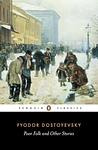
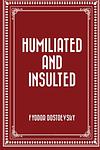
Fyodor Dostoevsky was a Russian novelist, short story writer, essayist, and journalist. He is best known for his novels 'Crime and Punishment', 'The Idiot', 'Demons', and 'The Brothers Karamazov'. His works explore human psychology in the troubled political, social, and spiritual atmospheres of 19th-century Russia.



2. Charles Dickens
Charles Dickens was an English writer and social critic. He created some of the world's best-known fictional characters and is regarded as the greatest novelist of the Victorian era. His notable works include 'A Tale of Two Cities', 'Great Expectations', and 'Oliver Twist'.


3. William Faulkner
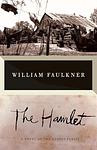
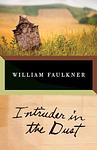
William Faulkner was an American writer and Nobel Prize laureate from Oxford, Mississippi. He is primarily known for his novels, short stories, and plays, many of which are set in the fictional Yoknapatawpha County. Faulkner's work is characterized by his innovative narrative techniques and complex characterizations.




4. William Shakespeare
William Shakespeare was an English playwright, poet, and actor, widely regarded as one of the greatest writers in the English language and the world's greatest dramatist.


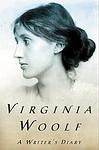
5. Virginia Woolf
Virginia Woolf was an English writer, considered one of the most important modernist 20th-century authors and a pioneer in the use of stream of consciousness as a narrative device.




6. Leo Tolstoy
Leo Tolstoy was a renowned Russian author best known for his novels 'War and Peace' and 'Anna Karenina'. He is considered one of the greatest novelists of all time and his works have had a profound impact on literature and society.



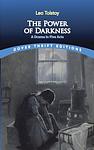
7. Franz Kafka
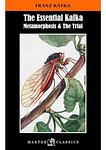
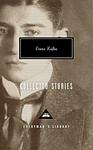
Franz Kafka was a German-speaking Bohemian writer known for his surreal and existential works, including 'The Metamorphosis' and 'The Trial'. His writing often explores themes of alienation, anxiety, and bureaucratic absurdity.


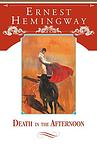
8. Ernest Hemingway
Ernest Hemingway was an American novelist, short story writer, and journalist. His economical and understated style had a strong influence on 20th-century fiction, while his adventurous lifestyle and public image brought him admiration from later generations.




9. James Joyce
James Joyce was an Irish novelist, short story writer, and poet. He is best known for his landmark work 'Ulysses' and his significant contributions to modernist literature.


10. Jane Austen
Jane Austen was an English novelist known primarily for her six major novels, which interpret, critique and comment upon the British landed gentry at the end of the 18th century. Her most famous works include 'Pride and Prejudice', 'Sense and Sensibility', and 'Emma'.


11. Thomas Mann
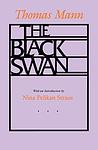
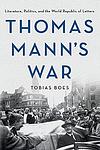
Thomas Mann was a German novelist, short story writer, and essayist. He is best known for his series of novels and novellas, including 'Buddenbrooks', 'The Magic Mountain', and 'Death in Venice'. Mann was awarded the Nobel Prize in Literature in 1929.


12. Vladimir Nabokov
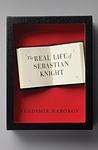
Vladimir Nabokov was a Russian-American novelist, poet, translator, and entomologist. He is best known for his novel 'Lolita', which is considered one of the greatest works of the 20th century. Nabokov wrote in both Russian and English, and his works are known for their complex plots, intricate wordplay, and rich literary allusions.




13. George Orwell
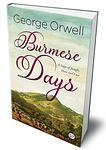
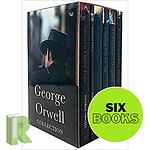
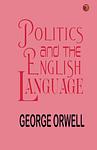
George Orwell, born Eric Arthur Blair, was an English novelist, essayist, journalist, and critic. He is best known for his dystopian novel '1984' and the allegorical novella 'Animal Farm'. His work is characterized by lucid prose, biting social criticism, opposition to totalitarianism, and outspoken support of democratic socialism.






14. F. Scott Fitzgerald
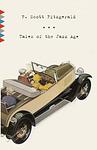
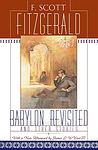
F. Scott Fitzgerald was an American novelist and short story writer, widely regarded as one of the greatest American writers of the 20th century. He is best known for his novel 'The Great Gatsby,' which explores themes of decadence, idealism, resistance to change, social upheaval, and excess, creating a portrait of the Jazz Age or the Roaring Twenties in the United States.


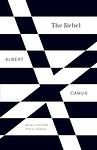
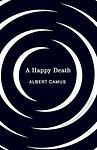
15. Albert Camus
Albert Camus was a French philosopher, author, and journalist. He is best known for his contributions to the philosophy of absurdism and for works such as 'The Stranger' and 'The Plague'. Camus was awarded the Nobel Prize in Literature in 1957.




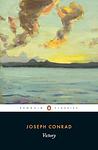
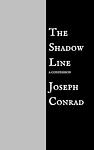
16. Joseph Conrad
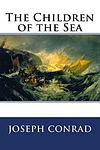
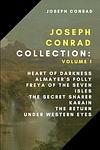
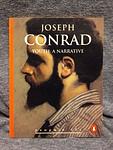
Joseph Conrad was a Polish-British writer regarded as one of the greatest novelists to write in the English language. He is best known for his novels 'Heart of Darkness' and 'Lord Jim', which explore complex themes of morality, colonialism, and human nature.



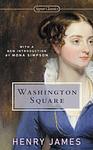
17. Henry James
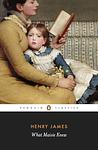
Henry James was an American-British author regarded as a key transitional figure between literary realism and literary modernism. He is best known for his novels dealing with the social and marital interplay between émigré Americans, English people, and continental Europeans. His works include 'The Portrait of a Lady', 'The Turn of the Screw', and 'The Wings of the Dove'.




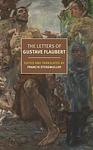
18. Gustave Flaubert
Gustave Flaubert was a French novelist, known for his scrupulous devotion to style and aesthetics. He is best known for his novel 'Madame Bovary,' which is considered one of the most influential literary works in history.


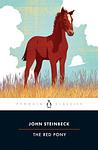
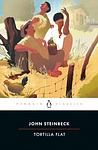
19. John Steinbeck
John Steinbeck was an American author known for his novels about the social and economic issues faced by the working class. His notable works include 'The Grapes of Wrath,' 'Of Mice and Men,' and 'East of Eden.' He was awarded the Nobel Prize in Literature in 1962.


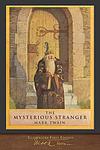
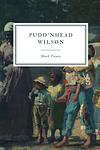
20. Mark Twain
Mark Twain, born Samuel Langhorne Clemens, was an American writer, humorist, entrepreneur, publisher, and lecturer. He is best known for his novels 'The Adventures of Tom Sawyer' and its sequel, 'Adventures of Huckleberry Finn'.




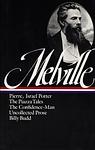
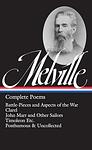
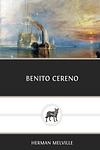
21. Herman Melville
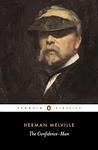
Herman Melville was an American novelist, short story writer, and poet of the American Renaissance period. He is best known for his novel 'Moby-Dick'.



22. George Eliot
George Eliot was the pen name of Mary Ann Evans, an English novelist, poet, journalist, and translator. She is best known for her novels 'Middlemarch,' 'Silas Marner,' and 'The Mill on the Floss,' which are celebrated for their realism and psychological insight.



23. Marcel Proust
Marcel Proust was a French novelist, critic, and essayist best known for his monumental work 'In Search of Lost Time' (À la recherche du temps perdu), which is considered one of the greatest literary works of the 20th century.


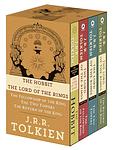
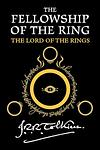
24. J. R. R. Tolkien
J.R.R. Tolkien was an English writer, poet, philologist, and academic, best known for his high-fantasy works 'The Hobbit' and 'The Lord of the Rings' trilogy. He is considered the father of modern fantasy literature.




25. Homer
Homer is the legendary ancient Greek author traditionally said to be the composer of the epic poems the Iliad and the Odyssey. His works are central to the Western canon and have had a lasting influence on literature.


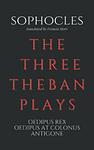
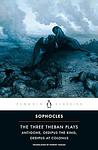
26. Sophocles
Sophocles was an ancient Greek playwright and tragedian, known for his significant contributions to the genre of Greek tragedy. He is best known for his Theban plays, including 'Oedipus Rex' and 'Antigone'.


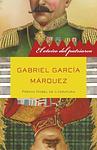
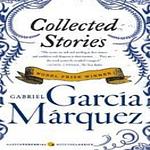
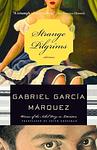
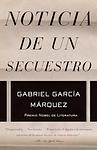
27. Gabriel García Márquez
Gabriel García Márquez was a Colombian novelist, short-story writer, screenwriter, and journalist, known affectionately as Gabo or Gabito throughout Latin America. He is considered one of the most significant authors of the 20th century and was awarded the Nobel Prize in Literature in 1982. His most famous works include 'One Hundred Years of Solitude' and 'Love in the Time of Cholera'.





28. Samuel Beckett
Samuel Beckett was an Irish avant-garde novelist, playwright, theatre director, poet, and literary translator. He is widely regarded as one of the most influential writers of the 20th century, known for his bleak, tragicomic outlook on human nature and existence. His best-known work is the play 'Waiting for Godot'.


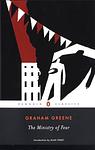
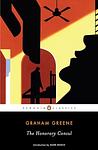
29. Graham Greene
Graham Greene was an English novelist and author regarded as one of the leading writers of the 20th century. His works explore the ambivalent moral and political issues of the modern world, often through a Catholic perspective. Some of his most famous novels include 'The Power and the Glory,' 'The Heart of the Matter,' and 'The End of the Affair.'


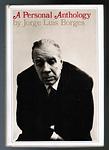
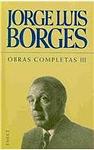
30. Jorge Luis Borges
Jorge Luis Borges was an Argentinian writer, essayist, and poet, best known for his short stories and works of speculative fiction. His works have contributed significantly to the genres of magical realism and philosophical literature.




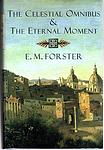
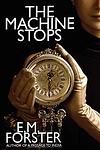
31. E. M. Forster
E.M. Forster was an English novelist, short story writer, and essayist, known for his novels 'A Room with a View', 'Howards End', and 'A Passage to India'. His work often explores themes of class difference and hypocrisy in early 20th-century British society.


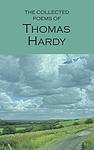
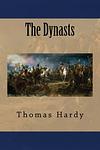
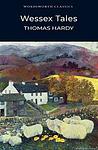
32. Thomas Hardy
Thomas Hardy was an English novelist and poet. A Victorian realist in the tradition of George Eliot, he was influenced both in his novels and in his poetry by Romanticism, including the poetry of William Wordsworth. He was highly critical of much in Victorian society, especially on the declining status of rural people in Britain.




33. Johann Wolfgang von Goethe
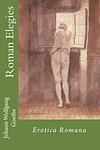
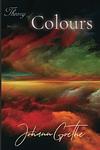
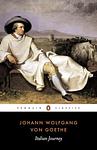
Johann Wolfgang von Goethe was a German writer and statesman. His body of work includes epic and lyric poetry written in a variety of meters and styles; prose and verse dramas; memoirs; an autobiography; literary and aesthetic criticism; treatises on botany, anatomy, and color; and four novels. He is considered one of the greatest literary figures of the modern era.



34. Edith Wharton
Edith Wharton was a Pulitzer Prize-winning American novelist, short story writer, and designer. She is best known for her novels 'The Age of Innocence,' 'Ethan Frome,' and 'The House of Mirth,' which explore themes of social class and moral dilemmas in early 20th-century America.


35. Honoré de Balzac
Honoré de Balzac was a French novelist and playwright. He is best known for his series of novels and stories collectively titled 'La Comédie Humaine,' which presents a detailed and vivid panorama of French society in the first half of the nineteenth century.


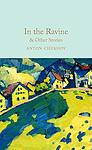
36. Anton Chekhov
Anton Chekhov was a Russian playwright and short-story writer, considered to be one of the greatest writers in the world. He is known for his plays such as 'The Seagull,' 'Uncle Vanya,' 'Three Sisters,' and 'The Cherry Orchard,' as well as his numerous short stories.


37. Victor Hugo
Victor Hugo was a French poet, novelist, and dramatist of the Romantic movement. He is considered one of the greatest and best-known French writers. Among his most famous works are 'Les Misérables' and 'The Hunchback of Notre-Dame'.





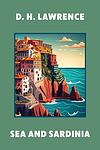
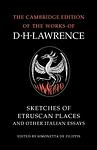
38. D. H. Lawrence
D. H. Lawrence was an English novelist, poet, playwright, essayist, literary critic, and painter. His works explore themes of emotional health, vitality, spontaneity, and instinct.



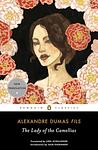
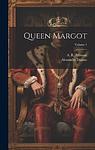
39. Alexandre Dumas
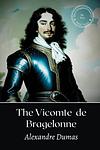
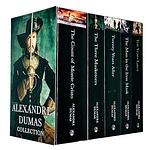
Alexandre Dumas was a renowned French writer, best known for his historical novels such as 'The Three Musketeers' and 'The Count of Monte Cristo.' His works have been translated into many languages and adapted into numerous films and television series.




40. Evelyn Waugh
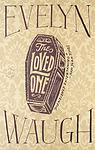
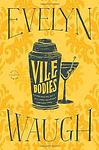
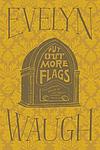
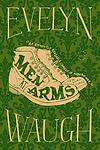
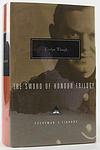
Evelyn Waugh was an English writer known for his satirical novels, including 'Brideshead Revisited' and 'A Handful of Dust'. He is considered one of the great prose stylists of the 20th century.



41. Hermann Hesse
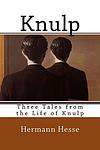
Hermann Hesse was a German-Swiss poet, novelist, and painter. He is best known for his novels 'Steppenwolf', 'Siddhartha', and 'The Glass Bead Game', which explore themes of self-discovery and spirituality. Hesse received the Nobel Prize in Literature in 1946.


42. J. D. Salinger
J.D. Salinger was an American writer best known for his novel 'The Catcher in the Rye'. He was known for his reclusive nature and his works often explore themes of adolescent angst and alienation.


43. Agatha Christie
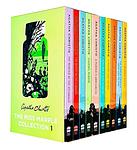
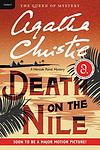
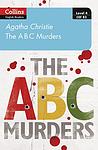
Agatha Christie was a renowned British author known for her detective novels, particularly those featuring Hercule Poirot and Miss Marple. She is one of the best-selling authors in history, with her works translated into numerous languages and adapted into various media.





44. Nathaniel Hawthorne
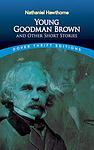
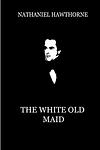
Nathaniel Hawthorne was an American novelist and short story writer, best known for his novels 'The Scarlet Letter' and 'The House of the Seven Gables'. His works often focus on themes of sin, guilt, and morality.


45. C. S. Lewis
C. S. Lewis was a British writer and lay theologian. He is best known for his works of fiction, especially The Chronicles of Narnia, and for his non-fiction Christian apologetics.




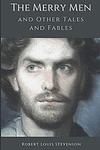
46. Robert Louis Stevenson
Robert Louis Stevenson was a Scottish novelist, poet, and travel writer, best known for works such as 'Treasure Island', 'Strange Case of Dr Jekyll and Mr Hyde', and 'Kidnapped'. His writing is celebrated for its vivid storytelling and imaginative narratives.





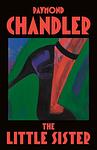
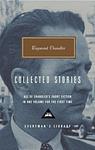
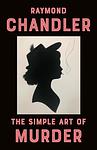
47. Raymond Chandler
Raymond Chandler was an American-British novelist and screenwriter. He is best known for his detective fiction featuring the character Philip Marlowe. Chandler's writing style and characterizations had a significant influence on the genre of hardboiled crime fiction.




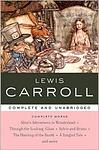
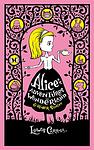
48. Lewis Carroll
Lewis Carroll, born Charles Lutwidge Dodgson, was an English writer, mathematician, logician, Anglican deacon, and photographer. He is best known for his classic children's books 'Alice's Adventures in Wonderland' and its sequel 'Through the Looking-Glass'.


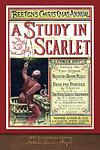
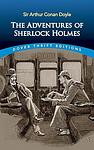
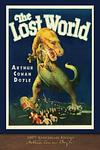
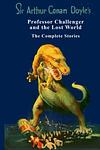
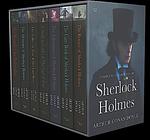
49. Arthur Conan Doyle
Arthur Conan Doyle was a British writer best known for his detective fiction featuring the character Sherlock Holmes. He was also a physician and wrote in various genres including science fiction, historical novels, and non-fiction.




50. T. S. Eliot
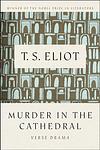
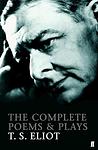
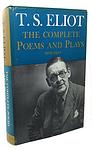
T.S. Eliot was a renowned poet, essayist, publisher, playwright, and literary critic. He is best known for his poems 'The Waste Land,' 'The Love Song of J. Alfred Prufrock,' and 'Four Quartets.' Eliot was a leading figure in the Modernist movement in literature and won the Nobel Prize in Literature in 1948.