The Greatest Authors of All Time
Ever wondered who the greatest authors of all time are? We've analyzed 759 diverse book lists to create this comprehensive ranking of literary masters. Our algorithm considers several key factors to determine each author's position:
- Book Rankings: Each author's score starts with the sum of their books' rankings from our master list.
- Number of Great Books: Authors are rewarded for having multiple highly-ranked books. The more great books an author has, the higher their overall score.
- Age of Books: Older books receive a small bonus to their score, with the maximum bonus going to books over 100 years old.
This system ensures that authors with multiple enduring works are recognized, while still giving weight to the quality of individual books. The rankings are automatically calculated and updated as new lists are added to our database.
51. Edgar Allan Poe
Edgar Allan Poe was an American writer, poet, editor, and literary critic. He is best known for his poetry and short stories, particularly his tales of mystery and the macabre. Poe is widely regarded as a central figure of Romanticism in the United States and of American literature as a whole.


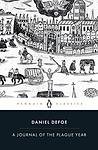
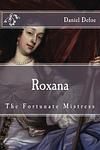
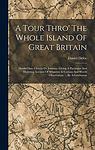
52. Daniel Defoe
Daniel Defoe was an English writer, trader, journalist, pamphleteer, and spy, best known for his novel 'Robinson Crusoe'. He is considered one of the earliest proponents of the novel, helping to popularize the form in Britain.


53. Aldous Huxley
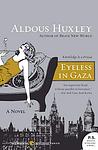
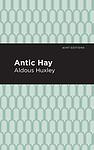
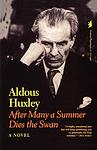
Aldous Huxley was an English writer and philosopher, best known for his dystopian novel 'Brave New World'. He authored nearly fifty books, including novels, non-fiction works, and collections of essays. Huxley was a prominent intellectual of his time, exploring themes of human nature, society, and the potential consequences of scientific advancements.





54. H. G. Wells
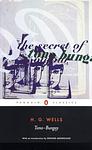
H.G. Wells was a prolific English writer known for his works in science fiction, including classics such as 'The War of the Worlds', 'The Time Machine', and 'The Invisible Man'. His writings often explored themes of social reform and the impact of scientific advancements on society.





55. Willa Cather
Willa Cather was an American author known for her novels of frontier life on the Great Plains. She achieved recognition for her novels such as 'O Pioneers!', 'My Ántonia', and 'Death Comes for the Archbishop'. Her work is noted for its vivid descriptions and exploration of the American pioneer spirit.




56. Toni Morrison
Toni Morrison was an acclaimed American novelist, essayist, editor, and professor. She won the Nobel Prize in Literature in 1993 and is best known for her novels 'Beloved', 'Song of Solomon', and 'The Bluest Eye'. Her work explores themes of African-American identity, history, and culture.



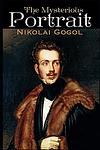
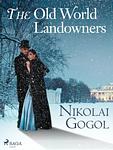
57. Nikolai Gogol
Nikolai Gogol was a Russian dramatist, novelist, and short story writer of Ukrainian origin. He is considered one of the most prominent figures in Russian literature, known for his works such as 'Dead Souls' and 'The Overcoat'. His writing often combines elements of realism and the grotesque, and he is noted for his satirical style.



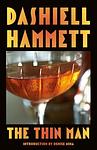
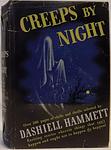
58. Dashiell Hammett
Dashiell Hammett was an American author of hard-boiled detective novels and short stories. He is best known for his works 'The Maltese Falcon' and 'The Thin Man,' and is considered one of the pioneers of the genre.





59. Dante Alighieri
Dante Alighieri was an Italian poet, writer, and philosopher best known for his epic poem 'The Divine Comedy,' which is widely considered one of the greatest works of world literature.



60. Louis-Ferdinand Céline
Louis-Ferdinand Céline was a French novelist, pamphleteer, and physician. He is best known for his 1932 novel 'Journey to the End of the Night', which is considered one of the greatest novels of the 20th century. His work is characterized by a pessimistic view of the human condition and a unique, colloquial style of writing.


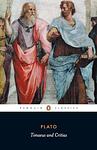
61. Plato
Plato was a classical Greek philosopher, mathematician, student of Socrates, writer of philosophical dialogues, and founder of the Academy in Athens, the first institution of higher learning in the Western world.


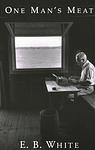
62. E. B. White
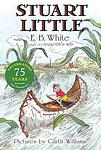
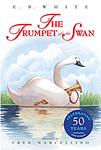
E. B. White was an American writer known for his contributions to literature for both adults and children. He is best known for his children's books 'Charlotte's Web', 'Stuart Little', and 'The Trumpet of the Swan'. He also co-authored the English language style guide 'The Elements of Style'.



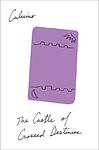
63. Italo Calvino
Italo Calvino was an Italian writer and journalist, known for his imaginative and often fantastical works. His notable works include 'Invisible Cities,' 'If on a winter's night a traveler,' and 'The Baron in the Trees.' Calvino's writing is characterized by its blending of reality and fantasy, as well as its exploration of philosophical and existential themes.



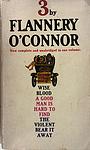
64. Flannery O'Connor
Flannery O'Connor was an American novelist, short story writer, and essayist known for her sardonic Southern Gothic style and her exploration of morality and ethics in the American South.


65. Philip Roth
Philip Milton Roth was an American novelist and short story writer. He gained fame with his 1959 novella 'Goodbye, Columbus' and achieved further success with his 1969 novel 'Portnoy's Complaint'. Roth's work often explores themes of identity, self-examination, and the complexities of American life.


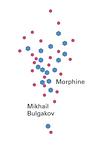
66. Mikhail Bulgakov
Mikhail Bulgakov was a Russian writer and playwright best known for his novel 'The Master and Margarita'. His works often explored themes of good and evil, and he is considered one of the foremost writers of the 20th century.


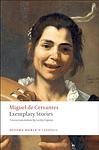
67. Miguel de Cervantes
Miguel de Cervantes Saavedra was a Spanish writer widely regarded as one of the greatest writers in the Spanish language and one of the world's pre-eminent novelists. He is best known for his novel 'Don Quixote', which is considered one of the most important works of literature.


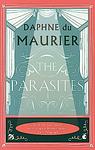
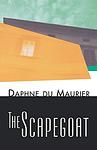
68. Daphne du Maurier
Daphne du Maurier was a renowned British author and playwright, best known for her works of suspense and psychological drama, including the novel 'Rebecca'. Her writing often explores themes of identity, secrecy, and the supernatural.






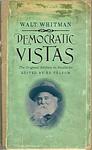
69. Walt Whitman
Walt Whitman was an American poet, essayist, and journalist. He is often considered one of the most influential poets in the American canon and is best known for his poetry collection 'Leaves of Grass'.



70. Sigmund Freud
Sigmund Freud was an Austrian neurologist and the founder of psychoanalysis, a clinical method for treating psychopathology through dialogue between a patient and a psychoanalyst.


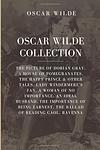
71. Oscar Wilde
Oscar Wilde was a renowned Irish poet and playwright known for his wit, flamboyant style, and infamous imprisonment. He is best remembered for his epigrams, plays such as 'The Importance of Being Earnest,' and his novel 'The Picture of Dorian Gray.'





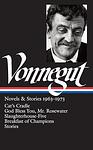
72. Kurt Vonnegut
Kurt Vonnegut was an American writer known for his satirical and darkly humorous novels. His works blend science fiction, social commentary, and absurdism, with his most famous book being 'Slaughterhouse-Five'.



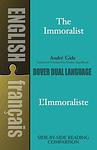
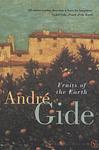
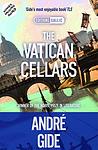
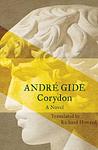
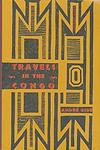
73. André Gide
André Gide was a French author and winner of the Nobel Prize in Literature in 1947. His work is known for its exploration of morality, human freedom, and the complexities of the human condition.


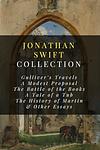
74. Jonathan Swift
Jonathan Swift was an Anglo-Irish satirist, essayist, political pamphleteer, poet, and cleric who became Dean of St Patrick's Cathedral, Dublin. He is best known for his works such as 'Gulliver's Travels' and 'A Modest Proposal'.



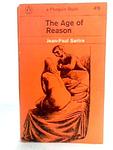
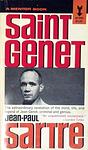
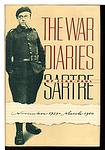
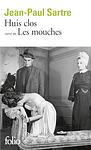
75. Jean Paul Sartre
Jean-Paul Sartre was a French existentialist philosopher, playwright, novelist, political activist, biographer, and literary critic. He was one of the key figures in the philosophy of existentialism and phenomenology, and one of the leading figures in 20th-century French philosophy and Marxism.



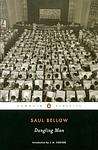
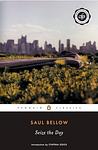
76. Saul Bellow
Saul Bellow was a Canadian-American writer of Jewish descent, known for his rich, character-driven novels. He won the Nobel Prize in Literature in 1976 and is considered one of the greatest American authors of the 20th century.




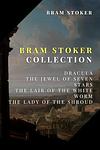
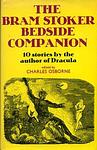
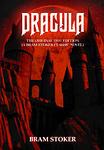
77. Bram Stoker
Bram Stoker was an Irish author best known for his 1897 Gothic novel Dracula. He was a key figure in the development of the horror genre and worked as a theatre manager for much of his career.


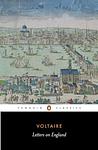
78. Voltaire
Voltaire was a French Enlightenment writer, historian, and philosopher known for his wit, criticism of Christianity, and advocacy of freedom of speech, separation of church and state, and civil liberties.




79. Émile Zola
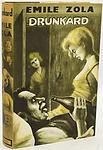
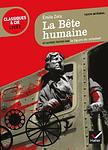
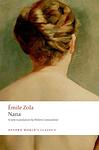
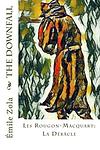
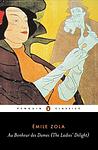
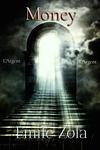
Émile Zola was a French novelist, playwright, journalist, and the best-known practitioner of the literary school of naturalism. He was a major figure in the political liberalization of France and in the exoneration of the falsely accused and convicted army officer Alfred Dreyfus.



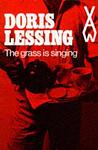
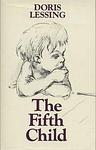
80. Doris May Lessing
Doris May Lessing was a British-Zimbabwean novelist, poet, playwright, librettist, biographer and short story writer. She was awarded the 2007 Nobel Prize in Literature. Her novels include 'The Grass is Singing' and 'The Golden Notebook'.




81. Stendhal
Stendhal, born Marie-Henri Beyle, was a 19th-century French writer known for his novels 'The Red and the Black' and 'The Charterhouse of Parma'. He is celebrated for his keen analysis of his characters' psychology and considered one of the earliest and foremost practitioners of realism in literature.


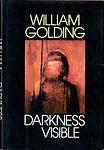
82. William Golding
William Golding was a British novelist, playwright, and poet best known for his novel 'Lord of the Flies'. He was awarded the Nobel Prize in Literature in 1983.


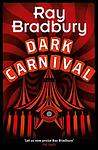
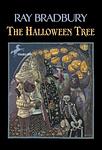
83. Ray Bradbury
Ray Bradbury was an American author and screenwriter, widely known for his dystopian novel 'Fahrenheit 451' and his science fiction and horror stories in 'The Martian Chronicles' and 'The Illustrated Man'.



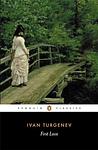
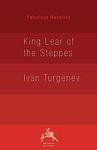
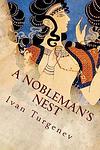
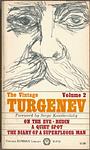
84. Ivan Turgenev
Ivan Sergeyevich Turgenev was a Russian novelist, short story writer, and playwright known for his detailed depictions of Russian society and his exploration of the conflicts between generations. His most famous work is 'Fathers and Sons'.






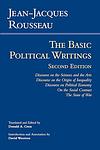
85. Jean-Jacques Rousseau
Jean-Jacques Rousseau was a Genevan philosopher, writer, and composer. His political philosophy influenced the progress of the Enlightenment throughout Europe, as well as aspects of the French Revolution and the development of modern political, economic, and educational thought.


86. James Baldwin
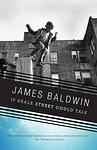
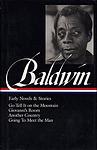
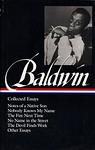
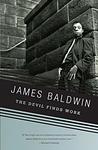
James Baldwin was an American writer and social critic. His essays, as collected in Notes of a Native Son, explore intricacies of racial, sexual, and class distinctions in Western societies, most notably in mid-20th-century America. Baldwin's novels and plays fictionalize fundamental personal questions and dilemmas amid complex social and psychological pressures.



87. John Updike
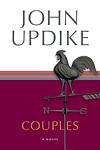
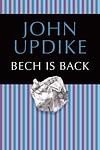
John Updike was an American novelist, poet, short story writer, art critic, and literary critic. He is best known for his Rabbit series, which chronicles the life of Harry 'Rabbit' Angstrom over several decades.





88. Stephen King
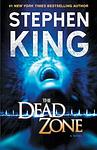
Stephen King is a prolific American author known for his works in horror, supernatural fiction, suspense, and fantasy. He has published numerous bestsellers and his books have been adapted into various films, television series, and miniseries.



89. Erich Maria Remarque
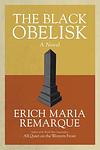
Erich Maria Remarque was a German novelist best known for his novel 'All Quiet on the Western Front,' which is considered one of the greatest war novels of all time. His works often explore the horrors of war and the impact it has on individuals and society.


90. W. Somerset Maugham
William Somerset Maugham was a British playwright, novelist, and short story writer. He was among the most popular writers of his era and reputedly the highest-paid author during the 1930s.


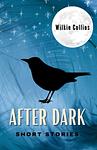
91. Wilkie Collins
Wilkie Collins was an English novelist and playwright, best known for his works 'The Woman in White' and 'The Moonstone,' which are considered early examples of the mystery and detective genres.


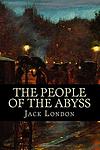
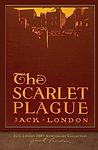
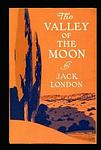
92. Jack London
Jack London was an American novelist, journalist, and social activist, best known for his adventure novels 'The Call of the Wild' and 'White Fang'.



93. Theodore Dreiser
Theodore Dreiser was an American novelist and journalist of the naturalist school. His novels often featured main characters who succeeded despite a lack of a firm moral code, and literary situations that more closely resembled studies of nature than tales of choice and agency.


94. Knut Hamsun
Knut Hamsun was a Norwegian author, known for his novels, poems, and plays. He was awarded the Nobel Prize in Literature in 1920 for his novel 'Growth of the Soil'. Hamsun's work is characterized by his deep exploration of human psychology and his critique of modern civilization.


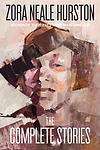
95. Zora Neale Hurston
Zora Neale Hurston was an influential African American author, anthropologist, and filmmaker. She is best known for her novel 'Their Eyes Were Watching God' and her contributions to African American literature and the Harlem Renaissance.



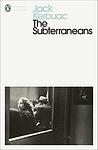
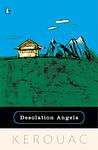
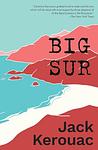
96. Jack Kerouac
Jack Kerouac was an American novelist and poet, a pioneer of the Beat Generation. He is best known for his novel 'On the Road,' which is considered a defining work of the postwar Beat and Counterculture generations.


97. Euripides
Euripides was a classical Athenian tragedian, known for his significant contributions to Greek drama. He is one of the three ancient Greek tragedians whose plays have survived. His works often explore complex characters and social issues.


98. Charlotte Brontë
Charlotte Brontë was an English novelist and poet, best known for her novel 'Jane Eyre', which is considered a classic of English literature.


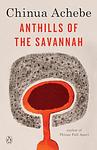
99. Chinua Achebe
Chinua Achebe was a Nigerian novelist, poet, professor, and critic. He is best known for his novel 'Things Fall Apart', which is considered one of the most important books in African literature.




100. Aleksandr Solzhenitsyn
Aleksandr Solzhenitsyn was a Russian novelist, historian, and outspoken critic of the Soviet Union, particularly its totalitarianism. He is best known for his works 'One Day in the Life of Ivan Denisovich' and 'The Gulag Archipelago,' which exposed the harsh realities of the Soviet labor camp system.