The Greatest Authors of All Time
Ever wondered who the greatest authors of all time are? We've analyzed 759 diverse book lists to create this comprehensive ranking of literary masters. Our algorithm considers several key factors to determine each author's position:
- Book Rankings: Each author's score starts with the sum of their books' rankings from our master list.
- Number of Great Books: Authors are rewarded for having multiple highly-ranked books. The more great books an author has, the higher their overall score.
- Age of Books: Older books receive a small bonus to their score, with the maximum bonus going to books over 100 years old.
This system ensures that authors with multiple enduring works are recognized, while still giving weight to the quality of individual books. The rankings are automatically calculated and updated as new lists are added to our database.
101. Primo Levi
Primo Levi was an Italian Jewish chemist, writer, and Holocaust survivor, best known for his works on his experiences in Auschwitz, including 'If This Is a Man' and 'The Periodic Table'.



102. Dorothy L. Sayers
Dorothy L. Sayers was a renowned British author, translator, and Christian humanist, best known for her detective fiction featuring the character Lord Peter Wimsey. She was also a playwright and essayist, contributing significantly to the literary and theological fields.




103. Sir Walter Scott
Sir Walter Scott was a Scottish historical novelist, poet, playwright, and historian. Many of his works remain classics of both English-language literature and of Scottish literature. He is often considered the inventor of the modern historical novel.



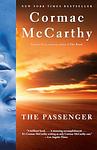
104. Cormac McCarthy
Cormac McCarthy was an American novelist, playwright, and screenwriter known for his distinctive writing style and themes of existentialism, violence, and the human condition. His notable works include 'Blood Meridian,' 'The Road,' and 'No Country for Old Men.'



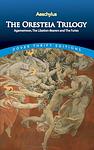
105. Aeschylus
Aeschylus was an ancient Greek tragedian, often described as the father of tragedy. He expanded the number of characters in plays to allow for conflict among them; previously, characters interacted only with the chorus. He is best known for his trilogy, the Oresteia.


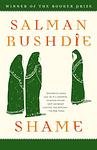
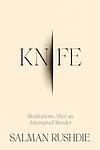
106. Salman Rushdie
Salman Rushdie is a British-Indian author known for his magical realism and controversial works, including 'Midnight's Children' and 'The Satanic Verses'. He has received numerous literary awards and has been a prominent figure in the literary world.





107. William Makepeace Thackeray
William Makepeace Thackeray was a British novelist, author, and illustrator, best known for his satirical works, particularly 'Vanity Fair'.



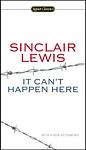
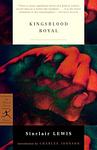
108. Sinclair Lewis
Sinclair Lewis was an American novelist, short-story writer, and playwright. In 1930, he became the first writer from the United States to receive the Nobel Prize in Literature, which was awarded for his vigorous and graphic art of description and his ability to create, with wit and humor, new types of characters.


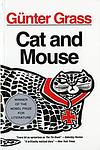
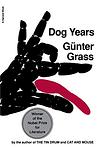
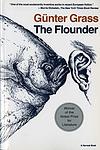
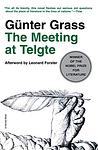
109. Günter Grass
Günter Grass was a German novelist, poet, playwright, illustrator, graphic artist, and sculptor. He is best known for his first novel, 'The Tin Drum,' which is considered one of the most important works of post-World War II literature. Grass was awarded the Nobel Prize in Literature in 1999.



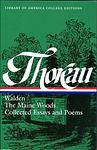
110. Henry David Thoreau
Henry David Thoreau was an American naturalist, essayist, poet, and philosopher. He is best known for his book 'Walden,' a reflection upon simple living in natural surroundings, and his essay 'Civil Disobedience,' an argument for disobedience to an unjust state.




111. Truman Capote
Truman Capote was an American novelist, screenwriter, playwright, and actor, best known for his works 'In Cold Blood' and 'Breakfast at Tiffany's'.


112. Friedrich Nietzsche
Friedrich Nietzsche was a German philosopher, cultural critic, composer, poet, and philologist whose work has exerted a profound influence on modern intellectual history. He is known for his critiques of traditional European morality and religion, as well as his concepts of the 'will to power' and the 'Übermensch.'





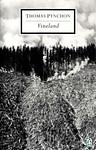
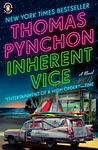
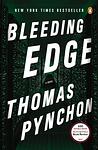
113. Thomas Pynchon
Thomas Pynchon is an American novelist known for his dense and complex novels. His works encompass a vast array of themes, including history, science, and mathematics, often with a touch of satire and dark humor. Some of his most notable works include 'Gravity's Rainbow,' 'The Crying of Lot 49,' and 'V.'




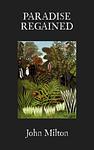
114. John Milton
John Milton was an English poet, polemicist, man of letters, and civil servant for the Commonwealth of England under Oliver Cromwell. He is best known for his epic poem 'Paradise Lost'.




115. Rainer Maria Rilke
Rainer Maria Rilke was a renowned Austrian poet and novelist, known for his lyrical and existential writings. His most famous works include 'Duino Elegies' and 'Sonnets to Orpheus'.


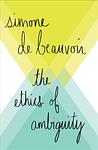
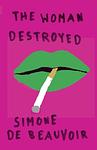
116. Simone de Beauvoir
Simone de Beauvoir was a French existentialist philosopher, feminist, and social theorist, best known for her work 'The Second Sex' which is a detailed analysis of women's oppression and a foundational tract of contemporary feminism.


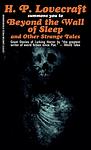
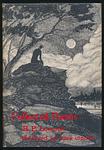
117. H. P. Lovecraft
H.P. Lovecraft was an American writer known for his weird and horror fiction, particularly the creation of the Cthulhu Mythos. His work, largely published posthumously, has inspired a vast body of literature and a subgenre of horror.




118. Carson McCullers
Carson McCullers was an American novelist, short story writer, playwright, essayist, and poet. She is best known for her novels 'The Heart Is a Lonely Hunter' and 'The Member of the Wedding,' which explore themes of loneliness and isolation.


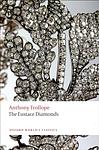
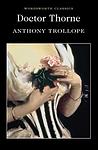
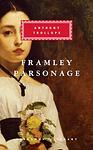
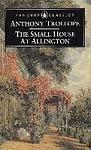
119. Anthony Trollope
Anthony Trollope was a prolific English novelist of the Victorian era. He is best known for his series of novels known as the Chronicles of Barsetshire, which revolve around the imaginary county of Barsetshire. Trollope's works are noted for their insightful characterizations and detailed depiction of the social, political, and cultural issues of his time.




120. Patricia Highsmith
Patricia Highsmith was an American novelist and short story writer, known for her psychological thrillers and crime novels. Her most famous works include 'Strangers on a Train' and 'The Talented Mr. Ripley'.


121. G. K. Chesterton
G.K. Chesterton was an English writer, philosopher, and critic known for his prolific output and diverse range of works, including detective fiction, essays, and Christian apologetics. He is best known for his Father Brown detective series and his book 'Orthodoxy'.



122. Marguerite Duras
Marguerite Duras was a French novelist, playwright, scriptwriter, essayist, and experimental filmmaker. She is best known for her novel 'The Lover,' which won the Prix Goncourt in 1984.




123. John Dos Passos
John Roderigo Dos Passos was an American novelist and artist. He is best known for his U.S.A. trilogy, which is a major work of American modernism.



124. Nikos Kazantzakis
Nikos Kazantzakis was a renowned Greek writer and philosopher, best known for his novels 'Zorba the Greek' and 'The Last Temptation of Christ'. His works often explore existential and spiritual themes, and he is considered one of the most important Greek writers of the 20th century.



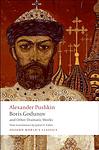
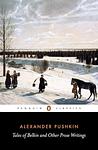
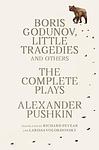
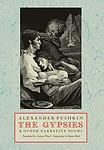
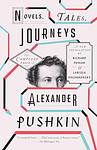
125. Alexander Pushkin
Alexander Pushkin was a Russian poet, playwright, and novelist of the Romantic era who is considered by many to be the greatest Russian poet and the founder of modern Russian literature.




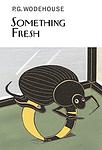
126. P. G. Wodehouse
P. G. Wodehouse was a prolific English author and one of the most widely read humorists of the 20th century. He is best known for his Jeeves and Wooster series, which chronicles the adventures of a bumbling aristocrat and his highly competent valet.




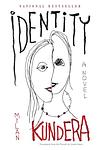
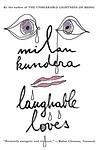
127. Milan Kundera
Milan Kundera is a Czech-born French writer known for his philosophical and often politically charged novels. His most famous work, 'The Unbearable Lightness of Being,' explores themes of love, identity, and existentialism.


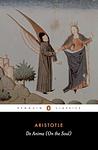
128. Aristotle
Aristotle was an ancient Greek philosopher and scientist, one of the greatest intellectual figures of Western history. He made significant contributions to numerous fields including metaphysics, ethics, politics, logic, and biology.


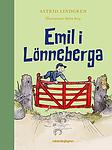
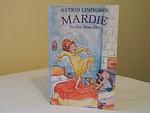
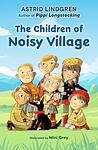
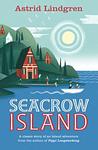
129. Astrid Lindgren
Astrid Lindgren was a renowned Swedish author best known for her children's book series featuring Pippi Longstocking. Her works have been translated into numerous languages and have sold millions of copies worldwide. Lindgren's stories often feature strong, independent characters and themes of adventure and imagination.


130. Rudyard Kipling
Rudyard Kipling was an English journalist, short-story writer, poet, and novelist. He is best known for his works of fiction, including 'The Jungle Book' and 'Kim', as well as his poems, such as 'If—'. Kipling was one of the most popular writers in the United Kingdom in the late 19th and early 20th centuries.




131. Karl Marx
Karl Marx was a German philosopher, economist, historian, sociologist, political theorist, journalist, and socialist revolutionary. He is best known for his works 'The Communist Manifesto' and 'Das Kapital', which laid the foundation for modern socialism and communism.


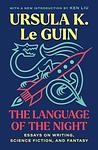
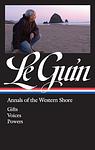
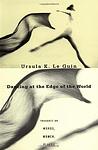
132. Ursula K. Le Guin
Ursula K. Le Guin was an influential American author known for her works of speculative fiction, including science fiction and fantasy. She is best known for her Earthsea series and the novel 'The Left Hand of Darkness,' which explores themes of gender and society.



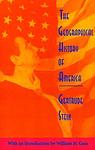
133. Gertrude Stein
Gertrude Stein was an American novelist, poet, playwright, and art collector. Born in Allegheny, Pennsylvania, she moved to Paris in 1903, making France her home for the remainder of her life. Stein was a central figure in the Parisian art world and a mentor to many writers and artists, including Ernest Hemingway, F. Scott Fitzgerald, and Pablo Picasso. Her most famous work, 'The Autobiography of Alice B. Toklas,' was a bestseller and remains a key text in modernist literature.


134. Guy de Maupassant
Guy de Maupassant was a renowned French writer, best known for his short stories and novels. He is considered one of the fathers of the modern short story and his works often depict the everyday lives of people in the late 19th century.



135. William Butler Yeats
William Butler Yeats was an Irish poet, dramatist, and prose writer. He was one of the foremost figures of 20th-century literature and a driving force behind the Irish Literary Revival. Yeats was awarded the Nobel Prize in Literature in 1923.


136. Richard Wright
Richard Nathaniel Wright was an American author of novels, short stories, poems, and non-fiction. Much of his literature concerns racial themes, especially related to the plight of African Americans during the late 19th to mid-20th centuries.


137. Margaret Atwood
Margaret Atwood is a renowned Canadian author, poet, and literary critic, best known for her works of fiction such as 'The Handmaid's Tale' and 'Oryx and Crake'. She has received numerous awards and honors for her contributions to literature.



138. Arthur Rimbaud
Arthur Rimbaud was a French poet known for his influence on modern literature and arts, which prefigured surrealism. He produced his best-known works while still in his late teens and gave up creative writing altogether before the age of 21.



139. Robert Penn Warren
Robert Penn Warren was an American poet, novelist, and literary critic, and was one of the founders of New Criticism. He is the only person to have won Pulitzer Prizes for both fiction and poetry.



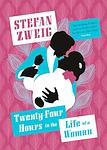
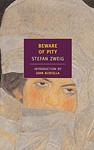
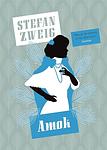
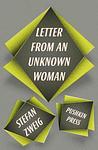
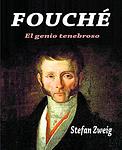
140. Stefan Zweig
Stefan Zweig was an Austrian writer, playwright, journalist, and biographer. He was one of the most popular writers in the world in the 1920s and 1930s.



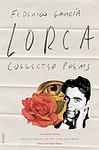
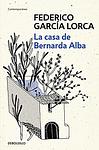
141. Federico García Lorca
Federico García Lorca was a renowned Spanish poet, playwright, and theatre director. He is considered one of the most important Spanish poets and dramatists of the 20th century. His works include 'Gypsy Ballads' and 'Blood Wedding'. He was executed by Nationalist forces at the beginning of the Spanish Civil War.




142. Robert Musil
Robert Musil was an Austrian philosophical writer and novelist. He is best known for his unfinished novel 'The Man Without Qualities', which is considered one of the most important modernist novels.


143. Antoine de Saint-Exupéry
Antoine de Saint-Exupéry was a French writer, poet, aristocrat, journalist, and pioneering aviator. He is best known for his novella 'The Little Prince' (Le Petit Prince) and for his lyrical aviation writings, including 'Night Flight' and 'Wind, Sand and Stars'.


144. Marguerite Yourcenar
Marguerite Yourcenar was a French novelist and essayist, best known for her historical novels, including 'Memoirs of Hadrian'. She was the first woman to be elected to the Académie Française.


145. Shirley Jackson
Shirley Jackson was an American writer known for her works of horror and mystery. Her most famous works include 'The Lottery' and 'The Haunting of Hill House.'




146. Roald Dahl
Roald Dahl was a British author and screenwriter, known for his children's books such as 'Charlie and the Chocolate Factory', 'Matilda', and 'James and the Giant Peach'. He also wrote adult fiction and served as a fighter pilot during World War II.


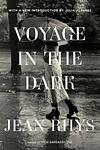
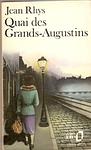
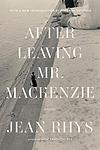
147. Jean Rhys
Jean Rhys was a British author best known for her novel 'Wide Sargasso Sea', which serves as a prequel to Charlotte Brontë's 'Jane Eyre'. Her work often explores themes of exile, identity, and the struggles of women in a patriarchal society.


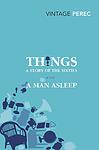
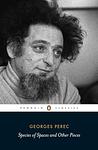
148. Georges Perec
Georges Perec was a French novelist, filmmaker, documentalist, and essayist. He is best known for his works of constrained writing, including the novel 'La Disparition' (A Void), which is notable for being written entirely without the letter 'e'.




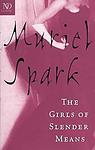
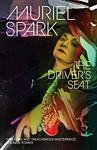
149. Muriel Spark
Muriel Spark was a renowned Scottish novelist, short story writer, and poet. She is best known for her novel 'The Prime of Miss Jean Brodie'. Spark's works are characterized by their wit, satire, and keen observations of human nature.





150. Charles Darwin
Charles Darwin was an English naturalist, geologist, and biologist, best known for his contributions to the science of evolution. His proposition that all species of life have descended from common ancestors is now widely accepted and considered a fundamental concept in biology.