The Greatest Authors of All Time
Ever wondered who the greatest authors of all time are? We've analyzed 759 diverse book lists to create this comprehensive ranking of literary masters. Our algorithm considers several key factors to determine each author's position:
- Book Rankings: Each author's score starts with the sum of their books' rankings from our master list.
- Number of Great Books: Authors are rewarded for having multiple highly-ranked books. The more great books an author has, the higher their overall score.
- Age of Books: Older books receive a small bonus to their score, with the maximum bonus going to books over 100 years old.
This system ensures that authors with multiple enduring works are recognized, while still giving weight to the quality of individual books. The rankings are automatically calculated and updated as new lists are added to our database.
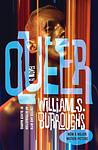
201. William S. Burroughs
William S. Burroughs was an American writer and visual artist, widely considered a primary figure of the Beat Generation and a major postmodernist author. He is best known for his novel 'Naked Lunch,' which became a seminal work in the counterculture movement.



202. Don DeLillo
Don DeLillo is an acclaimed American novelist, playwright, and essayist known for his works exploring themes of contemporary American life, technology, and mass media. Some of his notable works include 'White Noise,' 'Libra,' and 'Underworld.'




203. Pearl S. Buck
Pearl S. Buck was an American writer and novelist, best known for her novel 'The Good Earth' which won the Pulitzer Prize in 1932. She was awarded the Nobel Prize in Literature in 1938 for her rich and truly epic descriptions of peasant life in China and for her biographical masterpieces.


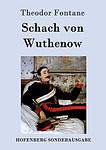
204. Theodor Fontane
Theodor Fontane was a German novelist and poet, regarded as the most important 19th-century German-language realist writer. He is best known for his social novels, particularly 'Effi Briest', which is considered one of the great works of German literature.



205. Elias Canetti
Elias Canetti was a Bulgarian-born Swiss and British modernist novelist, playwright, memoirist, and non-fiction writer. He is known for his novel 'Auto-da-Fé' and his non-fiction work 'Crowds and Power'. Canetti was awarded the Nobel Prize in Literature in 1981.


206. Anthony Powell
Anthony Powell was an English novelist best known for his twelve-volume work 'A Dance to the Music of Time', published between 1951 and 1975. The series is a comic examination of movements and manners, power and passivity in English political, cultural, and military life in the mid-20th century.


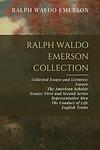
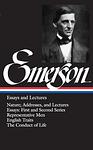
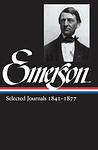
207. Ralph Waldo Emerson
Ralph Waldo Emerson was an American essayist, lecturer, philosopher, and poet who led the transcendentalist movement of the mid-19th century. He was seen as a champion of individualism and a prescient critic of the countervailing pressures of society.


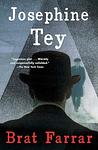
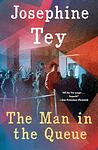
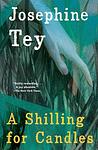
208. Josephine Tey
Josephine Tey was a pseudonym used by Elizabeth MacKintosh, a Scottish author best known for her mystery novels. She also wrote plays under the pseudonym Gordon Daviot. Her most famous work is 'The Daughter of Time,' which was named the greatest mystery novel of all time by the Crime Writers' Association.




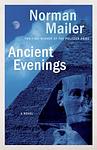
209. Norman Mailer
Norman Mailer was an American novelist, journalist, essayist, playwright, film-maker, actor, and liberal political activist. He is considered one of the most influential writers of the 20th century, known for works such as 'The Naked and the Dead' and 'The Executioner's Song'.



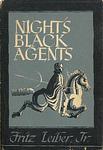
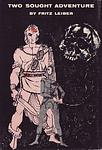
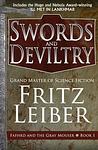
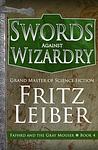
210. Fritz Leiber
Fritz Leiber was an American writer of fantasy, horror, and science fiction. He is best known for his Fafhrd and the Gray Mouser series of sword and sorcery stories. Leiber was a prolific author and a key figure in the development of the genre, influencing many subsequent writers.



211. J. K. Rowling
J.K. Rowling is a British author best known for writing the Harry Potter fantasy series, which has won multiple awards and sold more than 500 million copies worldwide.



212. Alice Walker
Alice Walker is an American novelist, short story writer, poet, and social activist. She is best known for her novel 'The Color Purple,' which won the Pulitzer Prize for Fiction in 1983 and the National Book Award.



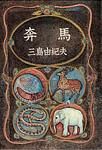
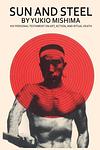
213. Yukio Mishima
Yukio Mishima was a prolific Japanese author, playwright, and nationalist. He is considered one of the most important Japanese authors of the 20th century. His works often explore themes of beauty, death, and the tension between modernity and tradition. Mishima's life ended in a dramatic public suicide after a failed coup attempt.



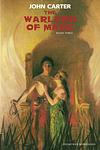
214. Edgar Rice Burroughs
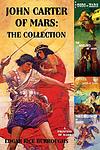
Edgar Rice Burroughs was an American author best known for his prolific output in the adventure and science fiction genres. He is the creator of iconic characters such as Tarzan and John Carter of Mars.


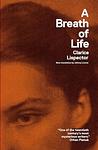
215. Clarice Lispector
Clarice Lispector was a Brazilian novelist and short story writer acclaimed internationally for her innovative and introspective writing style. Her works often explore themes of identity, existentialism, and the human condition.



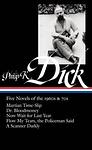
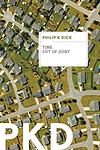
216. Philip K. Dick
Philip K. Dick was an American writer known for his work in science fiction. His novels and short stories often explore themes of altered states, authoritarian governments, and the nature of reality. Some of his most famous works include 'Do Androids Dream of Electric Sheep?', which was adapted into the film 'Blade Runner', and 'The Man in the High Castle'.




217. John Buchan
John Buchan was a Scottish novelist, historian, and Unionist politician who served as Governor General of Canada. He is best known for his adventure novels, particularly 'The Thirty-Nine Steps'.


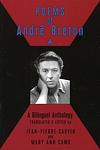
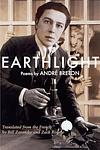
218. André Breton
André Breton was a French writer and poet, best known as the founder of Surrealism. He is widely recognized for his works that explore the unconscious mind and the role of dreams in artistic expression.


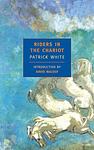
219. Patrick White
Patrick White was an Australian writer who is widely regarded as one of the most important English-language novelists of the 20th century. He was awarded the Nobel Prize in Literature in 1973.



220. Willem Elsschot
Willem Elsschot, born Alfons-Jozef De Ridder, was a Belgian writer and poet known for his satirical and humorous works. His notable works include 'Kaas' (Cheese) and 'Lijmen/Het Been' (Soft Soap/The Leg).


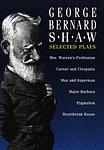
221. George Bernard Shaw
George Bernard Shaw was an Irish playwright, critic, and polemicist who was influential in Western theatre, culture, and politics. He wrote more than sixty plays, including major works such as 'Man and Superman,' 'Pygmalion,' and 'Saint Joan.' Shaw was awarded the Nobel Prize in Literature in 1925.




222. Maxim Gorky
Maxim Gorky, born Alexei Maximovich Peshkov, was a prominent Russian and Soviet writer, a founder of the socialist realism literary method, and a political activist. He is known for his works such as 'Mother' and 'The Lower Depths'.




223. Witold Gombrowicz
Witold Gombrowicz was a Polish writer and novelist, known for his works that explore themes of identity, form, and the absurd. His notable works include 'Ferdydurke', 'Trans-Atlantyk', and 'Cosmos'. Gombrowicz's writing is characterized by its innovative style and philosophical depth.




224. John Galsworthy
John Galsworthy was an English novelist and playwright, best known for his series of novels collectively titled 'The Forsyte Saga'. He won the Nobel Prize in Literature in 1932.


225. Ayn Rand
Ayn Rand was a Russian-American writer and philosopher, best known for her novels 'The Fountainhead' and 'Atlas Shrugged' and for developing a philosophical system called Objectivism.



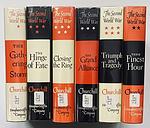
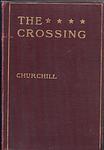
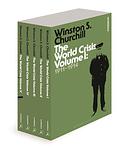
226. Winston Churchill
Winston Churchill was a British statesman, army officer, and writer who served as Prime Minister of the United Kingdom during World War II and again from 1951 to 1955. He is renowned for his leadership during the war and his speeches that inspired the British people.




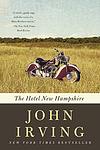
227. John Irving
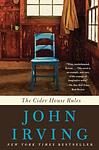
John Irving is an American novelist and screenwriter, known for his works such as 'The World According to Garp,' 'A Prayer for Owen Meany,' and 'The Cider House Rules.' His novels often feature complex characters and intricate plots, and he has received numerous awards for his contributions to literature.


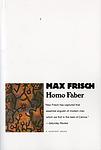
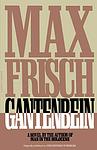
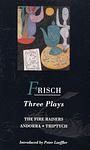
228. Max Frisch
Max Frisch was a prominent Swiss playwright and novelist, known for his works exploring themes of identity, individuality, and the human condition. Some of his most famous works include 'Homo Faber' and 'I'm Not Stiller'.



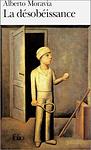
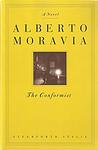
229. Alberto Moravia
Alberto Moravia was an Italian novelist and journalist. His works explore issues of modern society, such as alienation, existentialism, and the human condition. He is best known for his novels 'The Time of Indifference' and 'The Conformist'.



230. Halldor Laxness
Halldór Kiljan Laxness was an Icelandic writer who won the Nobel Prize in Literature in 1955. He is known for his novels, poetry, and plays, and is considered one of the most important Icelandic authors of the 20th century.


231. Thomas Bernhard
Thomas Bernhard was an Austrian novelist, playwright, and poet. Known for his critical and often controversial works, he is considered one of the most important authors of the 20th century in the German-speaking world.


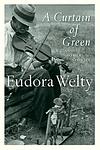
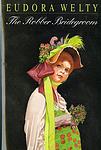
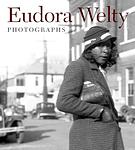
232. Eudora Welty
Eudora Welty was an American short story writer and novelist who wrote about the American South. Her novel 'The Optimist's Daughter' won the Pulitzer Prize in 1973. Welty was also a photographer and her work is known for its vivid sense of place and deep understanding of human relationships.


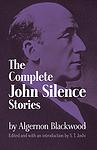
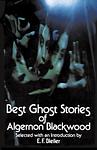
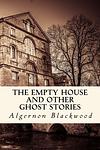
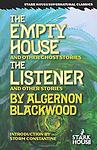
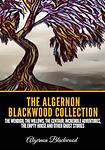
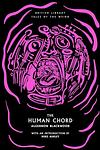
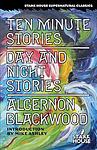
233. Algernon Blackwood
Algernon Blackwood was an English author known for his ghost stories and supernatural fiction. He was one of the most prolific writers of ghost stories in the history of the genre.


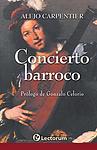
234. Alejo Carpentier
Alejo Carpentier was a Cuban novelist, essayist, and musicologist who greatly influenced Latin American literature. He is best known for his theory of 'lo real maravilloso' (the marvelous real), which combines elements of magical realism with historical and cultural themes.



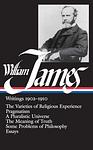
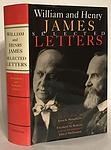
235. William James
William James was an American philosopher and psychologist, and the first educator to offer a psychology course in the United States. He is considered one of the leading thinkers of the late 19th century and is often referred to as the 'Father of American psychology'.


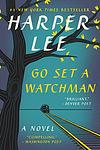
236. Harper Lee
Harper Lee was an American novelist best known for her 1960 novel 'To Kill a Mockingbird,' which won the Pulitzer Prize and has become a classic of modern American literature.

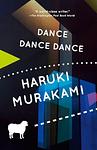
237. Haruki Murakami
Haruki Murakami is a renowned Japanese author known for his unique blend of surrealism, magical realism, and contemporary themes. His works often explore themes of loneliness, alienation, and the search for identity. Some of his most famous novels include 'Norwegian Wood,' 'Kafka on the Shore,' and '1Q84.'




238. Robert Frost
Robert Lee Frost was an American poet known for his realistic depictions of rural life and his command of American colloquial speech. He is one of the most celebrated poets in American history, having received four Pulitzer Prizes for Poetry.


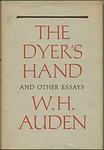
239. W. H. Auden
W. H. Auden was a British-American poet known for his versatile and innovative works in poetry. His writing often explored themes of love, politics, and social issues. Auden's influence on modern poetry is profound, and he is considered one of the leading literary figures of the 20th century.




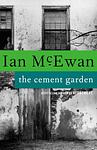
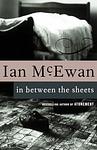
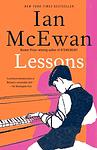
240. Ian McEwan
Ian McEwan is a British novelist and screenwriter known for his works such as 'Atonement', 'Amsterdam', and 'Enduring Love'. He has received numerous awards and nominations for his contributions to literature.




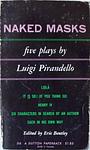
241. Luigi Pirandello
Luigi Pirandello was an Italian dramatist, novelist, poet, and short story writer awarded the Nobel Prize in Literature in 1934 for his bold and brilliant renovation of the drama and the stage.


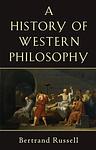
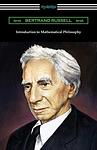
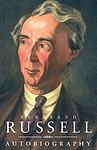
242. Bertrand Russell
Bertrand Russell was a British philosopher, logician, and social critic. He is best known for his work in mathematical logic and analytic philosophy, as well as his advocacy for social reform and pacifism. Russell was awarded the Nobel Prize in Literature in 1950.



243. Alice Munro
Alice Munro is a Canadian short story writer who won the Nobel Prize in Literature in 2013. She is known for her masterful storytelling and deep exploration of human complexities.




244. Marilynne Robinson
Marilynne Robinson is an acclaimed American novelist and essayist, known for her profound and thoughtful works. She has received numerous awards, including the Pulitzer Prize for Fiction for her novel 'Gilead'. Her writing often explores themes of religion, family, and the human condition.


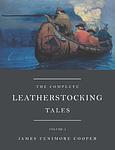
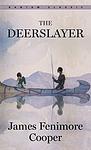
245. James Fenimore Cooper
James Fenimore Cooper was a prolific and popular American writer of the early 19th century. He is best known for his historical novels of frontier and Native American life, particularly the Leatherstocking Tales, which includes 'The Last of the Mohicans'.




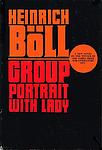
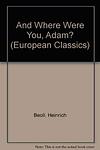
246. Heinrich Böll
Heinrich Böll was a German writer and Nobel Prize for Literature laureate. He is one of Germany's foremost post-World War II writers and is known for his works that explore the struggles of ordinary people in the aftermath of the war.





247. J. M. Barrie
James Matthew Barrie was a Scottish novelist and playwright, best known for creating the character Peter Pan. His works have had a lasting impact on literature and popular culture.



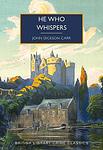
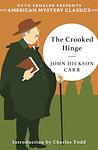
248. John Dickson Carr
John Dickson Carr was an American author of detective stories, known for his complex and ingenious plots. He is often regarded as one of the greatest writers of so-called 'Golden Age' mysteries. Carr also wrote using the pseudonym Carter Dickson.


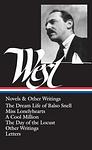
249. Nathanael West
Nathanael West was an American author and screenwriter, known for his novels 'Miss Lonelyhearts' and 'The Day of the Locust'. His works are considered significant in American literature for their darkly satirical portrayal of American life during the Great Depression.


250. Arthur Machen
Arthur Machen was a Welsh author and mystic known for his influential supernatural, fantasy, and horror fiction. His novella 'The Great God Pan' is considered a classic of horror literature.