The Greatest Authors of All Time
Ever wondered who the greatest authors of all time are? We've analyzed 759 diverse book lists to create this comprehensive ranking of literary masters. Our algorithm considers several key factors to determine each author's position:
- Book Rankings: Each author's score starts with the sum of their books' rankings from our master list.
- Number of Great Books: Authors are rewarded for having multiple highly-ranked books. The more great books an author has, the higher their overall score.
- Age of Books: Older books receive a small bonus to their score, with the maximum bonus going to books over 100 years old.
This system ensures that authors with multiple enduring works are recognized, while still giving weight to the quality of individual books. The rankings are automatically calculated and updated as new lists are added to our database.
151. Molière
Molière, born Jean-Baptiste Poquelin, was a renowned French playwright, actor, and poet, widely regarded as one of the greatest writers in the French language and world literature. He is best known for his comedies such as 'Tartuffe,' 'The Misanthrope,' and 'The Imaginary Invalid.'


152. Ford Madox Ford
Ford Madox Ford was an English novelist, poet, critic, and editor whose journals, The English Review and The Transatlantic Review, were instrumental in the development of early 20th-century English literature. He is best known for his novels 'The Good Soldier' and the 'Parade's End' tetralogy.


153. Anthony Burgess
Anthony Burgess was an English writer and composer, best known for his dystopian novel 'A Clockwork Orange'. He was a prolific author, producing numerous novels, essays, and works of criticism.



154. Elizabeth Gaskell
Elizabeth Gaskell was a British novelist and short story writer during the Victorian era. She is known for her detailed and realistic portrayals of social issues and her works include 'North and South', 'Cranford', and 'Wives and Daughters'.


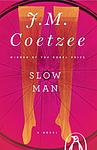
155. J. M. Coetzee
J. M. Coetzee is a renowned South African writer and Nobel laureate known for his novels, essays, and literary criticism. He has won numerous awards, including the Booker Prize twice, and is celebrated for his profound and often challenging works that explore themes of identity, human rights, and social justice.



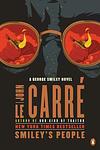
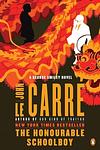
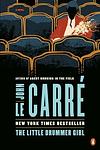
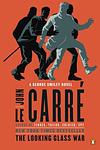
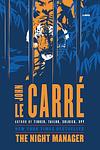
156. John le Carré
John le Carré, born David John Moore Cornwell, was a British author best known for his espionage novels, including 'The Spy Who Came in from the Cold' and 'Tinker Tailor Soldier Spy'. His works often explore the moral ambiguities of espionage and the complexities of human nature.




157. Kazuo Ishiguro
Kazuo Ishiguro is a British novelist, screenwriter, and short-story writer. He was born in Nagasaki, Japan, and moved to the UK when he was five years old. Ishiguro is known for his distinctive prose style and themes of memory, time, and self-delusion. He has received numerous awards, including the Nobel Prize in Literature in 2017.


158. Virgil
Virgil, also spelled Vergil, was an ancient Roman poet of the Augustan period. He is best known for his epic, the Aeneid, which has been considered the national epic of ancient Rome since the time of its composition. He also wrote the Eclogues and the Georgics.


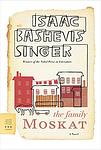
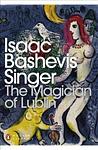
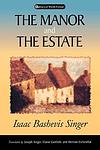
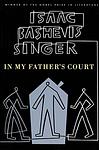
159. Isaac Bashevis Singer
Isaac Bashevis Singer was a Polish-American writer in Yiddish, awarded the Nobel Prize in Literature in 1978. He is known for his short stories and novels that explore Jewish life in Poland and the United States.




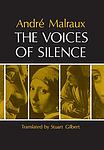
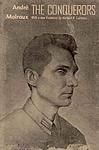
160. Andre Malraux
André Malraux was a French novelist, art theorist, and Minister of Cultural Affairs. He is best known for his works exploring the human condition and the complexities of political and social upheaval.


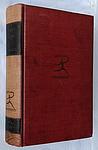
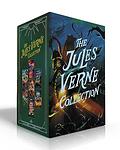
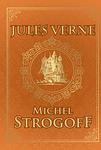
161. Jules Verne
Jules Verne was a pioneering French author known for his adventure novels and his profound influence on the science fiction genre. His most famous works include 'Twenty Thousand Leagues Under the Sea,' 'Journey to the Center of the Earth,' and 'Around the World in Eighty Days.'





162. Aristophanes
Aristophanes was a prolific and much acclaimed comic playwright of ancient Athens, known for his sharp wit and satirical style. His works provide valuable insight into the social, political, and cultural life of ancient Greece.


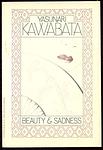
163. Yasunari Kawabata
Yasunari Kawabata was a renowned Japanese author, known for his lyrical and subtly nuanced prose. He was the first Japanese author to receive the Nobel Prize in Literature in 1968. His notable works include 'Snow Country,' 'Thousand Cranes,' and 'The Sound of the Mountain.'



164. Mario Vargas Llosa
Mario Vargas Llosa is a Peruvian writer, politician, journalist, and essayist. He is one of Latin America's most significant novelists and essayists, and one of the leading writers of his generation. He won the Nobel Prize in Literature in 2010.




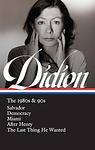
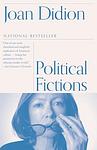
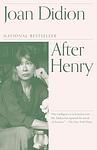
165. Joan Didion
Joan Didion was an American writer known for her novels, essays, and literary journalism. Her works often explore themes of social fragmentation and disintegration, and she is celebrated for her sharp, incisive prose.




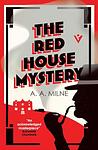
166. A. A. Milne
A. A. Milne was an English author best known for his books about Winnie-the-Pooh. He was also a playwright and poet, and his works have been loved by generations of readers.



167. Hans Christian Andersen
Hans Christian Andersen was a Danish author best known for his fairy tales, including 'The Little Mermaid,' 'The Ugly Duckling,' and 'Thumbelina.' His stories have been translated into numerous languages and continue to be popular around the world.




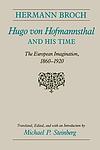
168. Hermann Broch
Hermann Broch was an Austrian writer, best known for his modernist novels, including 'The Sleepwalkers' and 'The Death of Virgil'. His works often explore themes of philosophy, psychology, and the disintegration of European culture.


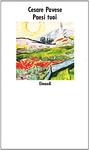
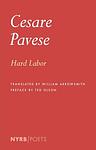
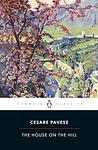
169. Cesare Pavese
Cesare Pavese was an Italian novelist, poet, and translator. He is widely regarded as one of the most important Italian writers of the 20th century. His works often explore themes of isolation, existentialism, and the human condition.



170. Iris Murdoch
Iris Murdoch was a British novelist and philosopher, best known for her novels about good and evil, sexual relationships, morality, and the power of the unconscious.




171. Fernando Pessoa
Fernando Pessoa was a Portuguese poet, writer, literary critic, and translator. He is considered one of the most significant literary figures of the 20th century and is known for his extensive use of heteronyms, which are alternate writing personas with distinct biographies and writing styles.


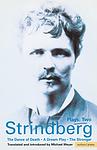
172. August Strindberg
August Strindberg was a Swedish playwright, novelist, poet, essayist, and painter. A prolific writer who often drew directly on his personal experience, Strindberg's career spanned four decades, during which he wrote over 60 plays and more than 30 works of fiction, autobiography, history, cultural analysis, and politics.





173. Emily Brontë
Emily Brontë was an English novelist and poet best known for her only novel, 'Wuthering Heights,' now considered a classic of English literature.


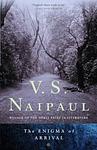
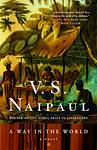
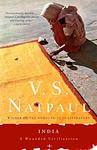
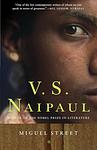
174. V. S. Naipaul
V. S. Naipaul was a British writer of Indian descent, known for his novels and travel writings. He was awarded the Nobel Prize in Literature in 2001.




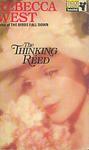
175. Rebecca West
Rebecca West, born Cicely Isabel Fairfield, was a British author, journalist, and literary critic, known for her sharp wit and insightful commentary on social and political issues. Her notable works include 'Black Lamb and Grey Falcon' and 'The Return of the Soldier'.



176. Henrik Ibsen
Henrik Ibsen was a Norwegian playwright and theatre director, often referred to as the 'father of realism' and one of the founders of Modernism in theatre. His major works include 'A Doll's House', 'Hedda Gabler', and 'Peer Gynt'.






177. L. M. Montgomery
Lucy Maud Montgomery was a Canadian author best known for her series of novels beginning with 'Anne of Green Gables,' published in 1908. The book was an immediate success and has been adapted into numerous films, television series, and stage productions. Montgomery's work is widely regarded for its vivid characters and settings, as well as its exploration of themes such as identity, family, and belonging.



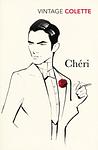
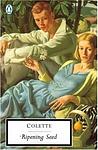
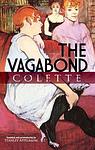
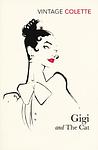
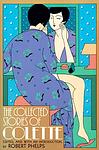
178. Colette
Colette was a French author and woman of letters, known for her novels, including 'Gigi' and the 'Claudine' series. She was also a mime, actress, and journalist, and is considered one of the most important French female writers of the early 20th century.



179. Isaac Asimov
Isaac Asimov was a prolific science fiction writer and biochemist, best known for his Foundation and Robot series. He made significant contributions to the genre and was a master of hard science fiction.




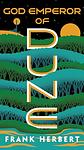
180. Frank Herbert
Frank Herbert was an American science fiction author best known for the novel 'Dune' and its subsequent series. His work explores themes of politics, religion, and ecology, and he is considered one of the most influential science fiction writers of the 20th century.


181. Lawrence Durrell
Lawrence Durrell was a British novelist, poet, dramatist, and travel writer. He is best known for his series of novels, 'The Alexandria Quartet'.



182. Bertolt Brecht
Bertolt Brecht was a German playwright, poet, and theatre director. He is known for his contributions to epic theatre and his development of the 'Verfremdungseffekt' or 'alienation effect,' which aimed to make the audience critically engage with the performance rather than becoming emotionally absorbed.





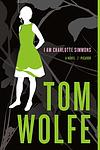
183. Tom Wolfe
Tom Wolfe was an American author and journalist, known for his association with and influence over the New Journalism literary movement. He is famous for works such as 'The Electric Kool-Aid Acid Test,' 'The Right Stuff,' and 'Bonfire of the Vanities.'


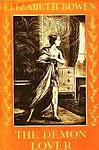
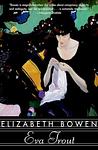
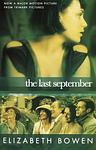
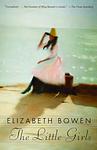
184. Elizabeth Bowen
Elizabeth Bowen was an Anglo-Irish novelist and short story writer, notable for her fiction about life in wartime London and her depictions of the Anglo-Irish ascendancy in the early 20th century.



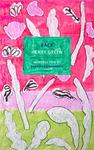
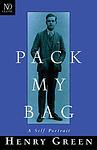
185. Henry Green
Henry Green was the pen name of Henry Vincent Yorke, an English author best known for his novels and short stories. He was a significant figure in 20th-century English literature, known for his unique narrative style and exploration of social issues.





186. Walker Percy
Walker Percy was an American author known for his philosophical novels set in and around New Orleans, Louisiana. His works often explore themes of existentialism and the human condition.


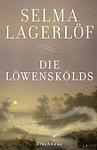
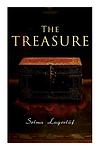
187. Selma Lagerlöf
Selma Lagerlöf was a Swedish author and the first woman to win the Nobel Prize in Literature in 1909. She is best known for her novel 'The Wonderful Adventures of Nils'.



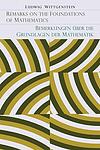
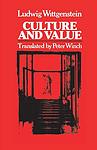
188. Ludwig Wittgenstein
Ludwig Wittgenstein was an Austrian philosopher who worked primarily in logic, the philosophy of mathematics, the philosophy of mind, and the philosophy of language. He is considered one of the most influential philosophers of the 20th century.


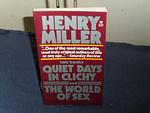
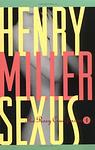
189. Henry Miller
Henry Valentine Miller was an American writer known for breaking with existing literary forms and developing a new sort of semi-autobiographical novel that blended character study, social criticism, philosophical reflection, explicit language, sex, surrealist free association, and mysticism.



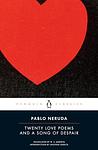
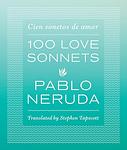
190. Pablo Neruda
Pablo Neruda was a renowned Chilean poet, diplomat, and politician who won the Nobel Prize for Literature in 1971. He is celebrated for his passionate and sensuous poetry, as well as his political activism.


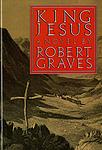
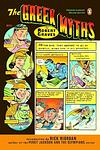
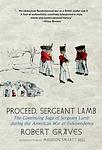
191. Robert Graves
Robert Graves was a British poet, historical novelist, critic, and classicist. He is best known for his memoir 'Goodbye to All That' and his historical novels 'I, Claudius' and 'Claudius the God'.


192. Joseph Roth
Joseph Roth was an Austrian-Jewish journalist and novelist, best known for his family saga 'The Radetzky March' and his novel 'Job'. His works often explore themes of identity, displacement, and the decline of the Austro-Hungarian Empire.


193. Umberto Eco
Umberto Eco was an Italian novelist, literary critic, philosopher, semiotician, and university professor. He is best known for his novel 'The Name of the Rose', a historical mystery combining semiotics in fiction, biblical analysis, medieval studies, and literary theory.



194. Henry Fielding
Henry Fielding was an English novelist and dramatist known for his rich, earthy humor and satirical prowess, particularly in his novel 'Tom Jones'. He is also credited with helping to establish the foundations of the modern novel.


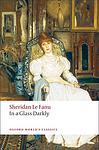
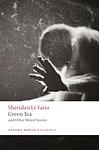
195. Sheridan Le Fanu
Joseph Sheridan Le Fanu was an Irish writer of Gothic tales and mystery novels. He is best known for his works such as 'Carmilla', a vampire novella, and 'Uncle Silas'. Le Fanu is considered one of the leading figures in 19th-century supernatural fiction.




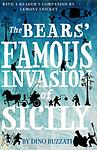
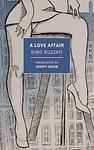
196. Dino Buzzati
Dino Buzzati was an Italian novelist, short story writer, painter, and poet, best known for his novel 'The Tartar Steppe'. His works often explore themes of existentialism and surrealism.



197. Denis Diderot
Denis Diderot was a French philosopher, art critic, and writer, best known for serving as co-founder, chief editor, and contributor to the Encyclopédie, one of the principal works of the Enlightenment.


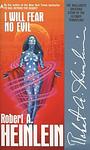
198. Robert A. Heinlein
Robert Anson Heinlein was an American science fiction author, aeronautical engineer, and naval officer. Often called the 'dean of science fiction writers,' he was one of the most influential and controversial authors of the genre in the 20th century. Heinlein's works often explore themes of individualism, libertarianism, and social engineering.


199. Upton Sinclair
Upton Sinclair was a prolific American author and social reformer best known for his novel 'The Jungle,' which exposed the harsh conditions and exploited lives of immigrants in the United States meatpacking industry. His work led to significant reforms in food safety laws.


200. Naguib Mahfouz
Naguib Mahfouz was a renowned Egyptian writer who won the 1988 Nobel Prize in Literature. He is best known for his Cairo Trilogy, which provides a vivid depiction of Egyptian society in the early 20th century.