The Greatest Authors of All Time
Ever wondered who the greatest authors of all time are? We've analyzed 759 diverse book lists to create this comprehensive ranking of literary masters. Our algorithm considers several key factors to determine each author's position:
- Book Rankings: Each author's score starts with the sum of their books' rankings from our master list.
- Number of Great Books: Authors are rewarded for having multiple highly-ranked books. The more great books an author has, the higher their overall score.
- Age of Books: Older books receive a small bonus to their score, with the maximum bonus going to books over 100 years old.
This system ensures that authors with multiple enduring works are recognized, while still giving weight to the quality of individual books. The rankings are automatically calculated and updated as new lists are added to our database.
301. Friedrich Dürrenmatt
Friedrich Dürrenmatt was a Swiss author and dramatist, known for his plays and detective novels. His works often explore themes of justice, morality, and the absurdity of human existence.



302. Joseph Heller
Joseph Heller was an American author best known for his satirical novel 'Catch-22', which became a classic of modern American literature.


303. Georges Simenon
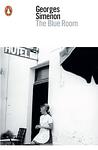
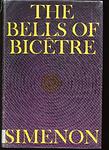
Georges Simenon was a prolific Belgian author best known for creating the fictional detective Jules Maigret. He wrote over 200 novels and numerous short works, making significant contributions to the genre of detective fiction.





304. Zadie Smith
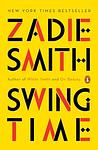
Zadie Smith is a renowned British author known for her novels, essays, and short stories. She gained fame with her debut novel 'White Teeth' and has since published several critically acclaimed works.




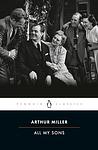
305. Arthur Miller
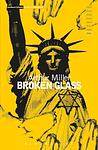
Arthur Miller was an American playwright and essayist, known for his plays such as 'Death of a Salesman', 'The Crucible', and 'A View from the Bridge'. He is considered one of the greatest dramatists of the 20th century.



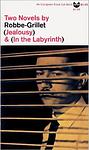
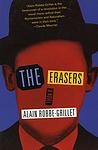
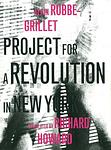
306. Alain Robbe-Grillet
Alain Robbe-Grillet was a French writer and filmmaker, known for his contributions to the Nouveau Roman (New Novel) literary movement. His works often explore themes of memory, perception, and the nature of reality.


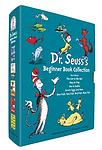
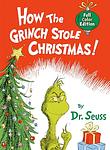
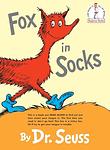
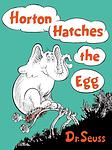
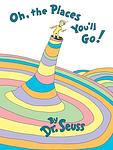
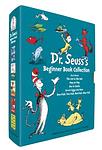
307. Dr. Seuss
Theodor Seuss Geisel, better known by his pen name Dr. Seuss, was an American author, political cartoonist, illustrator, poet, animator, and filmmaker. He is best known for his children's books, which include classics such as 'The Cat in the Hat,' 'Green Eggs and Ham,' and 'How the Grinch Stole Christmas!'



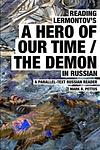
308. Mikhail Lermontov
Mikhail Lermontov was a Russian Romantic writer, poet, and painter, sometimes called 'the poet of the Caucasus'. He is considered one of the most important figures in Russian literature and is best known for his novel 'A Hero of Our Time'.


309. M. R. James
M.R. James was a British author and medieval scholar, best known for his ghost stories which are regarded as among the best in the genre. His work is characterized by its atmospheric settings and subtle, understated horror.


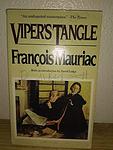
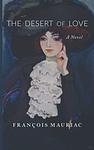
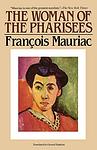
310. François Mauriac
François Mauriac was a French novelist, dramatist, critic, poet, and journalist, who was awarded the Nobel Prize in Literature in 1952. He is known for his works exploring themes of faith, sin, and human nature.


311. James Agee
James Agee was an American author, journalist, poet, screenwriter, and film critic. He is best known for his book 'Let Us Now Praise Famous Men', a study of Alabama sharecroppers during the Great Depression, and for his posthumously published novel 'A Death in the Family', which won the Pulitzer Prize for Fiction in 1958.


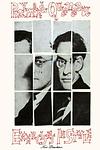
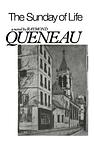
312. Raymond Queneau
Raymond Queneau was a French novelist, poet, and co-founder of the Oulipo group. He is known for his wit, wordplay, and innovative use of language in works such as 'Zazie in the Metro' and 'Exercises in Style'.



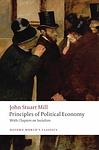
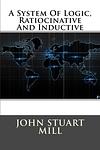
313. John Stuart Mill
John Stuart Mill was a British philosopher, political economist, and civil servant. He is one of the most influential thinkers in the history of liberalism and contributed widely to social theory, political theory, and political economy.


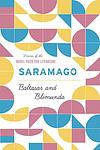
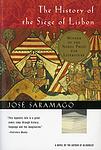
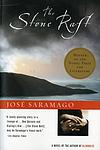
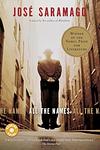
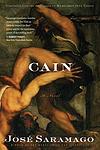
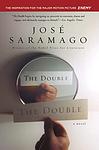
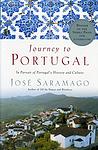
314. José Saramago
José Saramago was a Portuguese writer and recipient of the 1998 Nobel Prize in Literature. He is known for his distinctive writing style and his works often explore themes of human existence and social issues.



315. Charles Robert Maturin
Charles Robert Maturin was an Irish Protestant clergyman and a writer of Gothic plays and novels. He is best known for his novel 'Melmoth the Wanderer'.



316. Eça de Queirós
José Maria de Eça de Queirós was a Portuguese novelist, considered to be one of the greatest Portuguese writers in the realist style. His works often critique the social, political, and religious institutions of his time.



317. Michel de Montaigne
Michel de Montaigne was a French philosopher and writer of the Renaissance period, known for popularizing the essay as a literary genre. His work is noted for its merging of casual anecdotes and autobiography with intellectual insight.

318. Benito Pérez Galdós
Benito Pérez Galdós was a Spanish realist novelist and one of the leading literary figures in 19th-century Spain. He is best known for his series of novels known as 'Episodios Nacionales,' which depict Spanish history from the Battle of Trafalgar to the early 20th century.


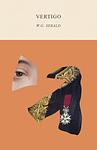
319. W. G. Sebald
W.G. Sebald was a German writer and academic known for his innovative and melancholic works that blend fiction, memoir, and historical narrative. His notable books include 'The Rings of Saturn' and 'Austerlitz'. Sebald's writing often explores themes of memory, loss, and the trauma of history.

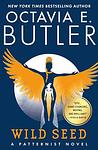
320. Octavia E. Butler
Octavia E. Butler was an acclaimed American science fiction writer, known for her works that explore themes of race, gender, and social issues. She was the first science fiction writer to receive a MacArthur Fellowship.



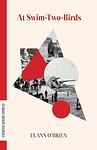
321. Flann O'Brien
Flann O'Brien, whose real name was Brian O'Nolan, was an Irish novelist and satirist, considered a major figure in twentieth-century Irish literature. He is best known for his novels 'At Swim-Two-Birds' and 'The Third Policeman'.


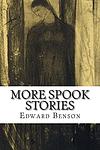
322. E. F. Benson
E. F. Benson was a prolific English novelist, biographer, memoirist, archaeologist, and short story writer. He is best known for his Mapp and Lucia series, which humorously depicts life in the fictional English town of Tilling.



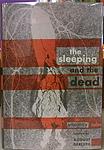
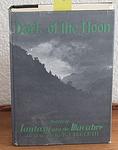
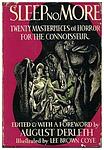
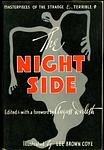
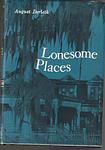
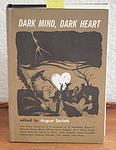
323. August Derleth
August Derleth was an American writer and anthologist. He is best known for his contributions to the Cthulhu Mythos and for founding Arkham House, a publishing company that preserved the works of H.P. Lovecraft and other writers of weird fiction.




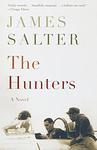
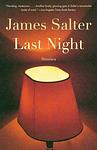
324. James Salter
James Salter was an American novelist and short story writer known for his lyrical prose and keen observations of human relationships. He authored several acclaimed works, including 'A Sport and a Pastime' and 'Light Years'.




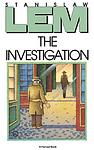
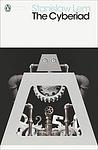
325. Stanislaw Lem
Stanisław Lem was a Polish writer of science fiction, philosophy, and satire. He is best known for his novel 'Solaris' and is considered one of the most influential science fiction authors of the 20th century.


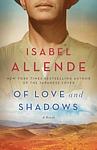
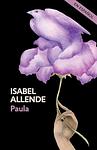
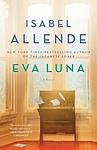
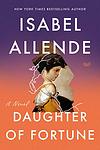
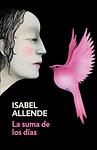
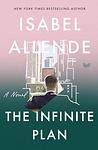
326. Isabel Allende
Isabel Allende is a renowned Chilean-American writer known for her works in the magic realism genre. She has authored numerous bestselling novels, including 'The House of the Spirits' and 'Eva Luna'. Her works often explore themes of family, politics, and social justice.



327. Tennessee Williams
Tennessee Williams was an American playwright and author of many stage classics. He is best known for his plays 'A Streetcar Named Desire', 'Cat on a Hot Tin Roof', and 'The Glass Menagerie'. His work often explores themes of human fragility and the complexity of relationships.


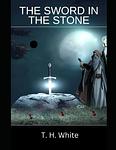
328. T. H. White
T. H. White was a British author best known for his series of Arthurian novels, 'The Once and Future King,' which includes the famous work 'The Sword in the Stone.'

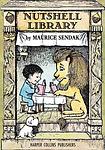
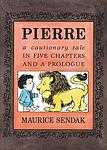
329. Maurice Sendak
Maurice Sendak was an American illustrator and writer of children's books. He is best known for his book 'Where the Wild Things Are,' published in 1963. Sendak's work has been critically acclaimed and has had a significant impact on children's literature.


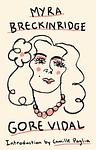
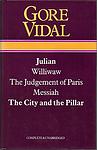
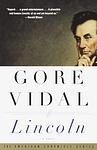
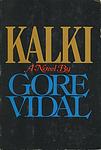
330. Gore Vidal
Gore Vidal was an American writer and public intellectual known for his essays, novels, screenplays, and Broadway plays. He was a prominent social critic and commentator, often addressing themes of politics, sexuality, and history in his work.





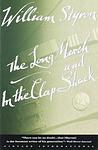
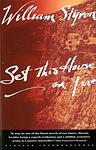
331. William Styron
William Styron was an American novelist and essayist known for his works such as 'Sophie's Choice' and 'The Confessions of Nat Turner'. He won the Pulitzer Prize for Fiction in 1968 and is recognized for his contributions to American literature.



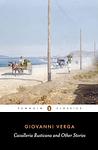
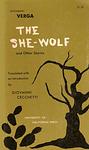
332. Giovanni Verga
Giovanni Verga was an Italian realist (Verismo) writer, best known for his depictions of life in Sicily. His most famous works include the novel 'I Malavoglia' and the short story 'Cavalleria Rusticana', which was later adapted into a famous opera.



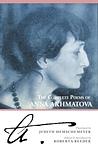
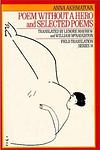
333. Anna Akhmatova
Anna Akhmatova was a renowned Russian poet, one of the most acclaimed writers in Russian literature. She is known for her poignant and powerful poetry that often dealt with themes of love, loss, and the political turmoil of her time.


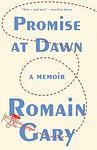
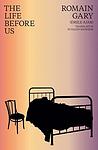
334. Romain Gary
Romain Gary was a French novelist, film director, aviator, and diplomat. He is the only author to have won the Prix Goncourt under two different names.


335. Jean Racine
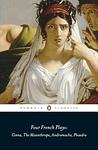
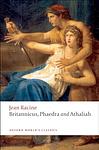
Jean Racine was a French dramatist, one of the three great playwrights of 17th-century France, along with Molière and Corneille. He is primarily known for his tragedies, which are considered some of the finest in the French language.



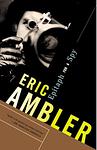
336. Eric Ambler
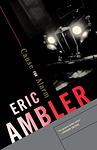
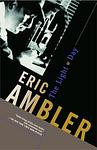
Eric Ambler was a British author known for his spy novels and thrillers. He is often credited with transforming the genre by introducing a more realistic and sophisticated style. Some of his most famous works include 'The Mask of Dimitrios' and 'A Coffin for Dimitrios'.


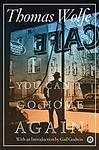
337. Thomas Wolfe
Thomas Clayton Wolfe was a major American novelist of the early 20th century, known for his sprawling, autobiographical novels, including 'Look Homeward, Angel' and 'Of Time and the River.' His work often explored themes of personal identity and the American experience.


338. Arthur Koestler
Arthur Koestler was a Hungarian-British author and journalist known for his works on politics, philosophy, and science. He is best known for his novel 'Darkness at Noon,' which critiques totalitarianism.


339. Blaise Pascal
Blaise Pascal was a French mathematician, physicist, inventor, writer, and Catholic theologian. He made significant contributions to the fields of mathematics and science, including the development of Pascal's Triangle and Pascal's Wager.


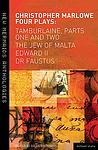
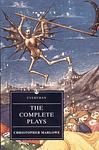
340. Christopher Marlowe
Christopher Marlowe was an English playwright, poet, and translator of the Elizabethan era. He is known for his blank verse and overreaching protagonists. Marlowe's most famous works include 'Doctor Faustus' and 'Tamburlaine the Great.' His mysterious death at a young age has been the subject of much speculation.

341. Nescio
Nescio was the pen name of Jan Hendrik Frederik Grönloh, a Dutch writer known for his short stories that capture the essence of early 20th-century Amsterdam and the existential musings of its youth. His work is characterized by a blend of humor and melancholy, often reflecting on the futility of ambition and the beauty of simple moments.


342. Jean Cocteau
Jean Cocteau was a French poet, playwright, novelist, designer, filmmaker, visual artist, and critic. He was a prominent figure in the avant-garde movement and is known for his contributions to literature, theater, and cinema.


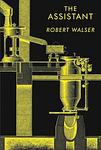
343. Robert Walser
Robert Walser was a Swiss writer known for his unique and innovative literary style. His work often explored themes of individuality, society, and the human condition. Despite his significant influence on modern literature, he spent much of his life in relative obscurity and poverty.


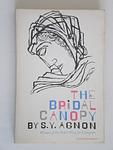
344. Shmuel Yosef Agnon
Shmuel Yosef Agnon was a Nobel Prize-winning Israeli writer known for his profound and innovative contributions to modern Hebrew literature.


345. Martin Amis
Martin Amis was a British novelist known for his distinctive style and darkly satirical novels. He was the son of the famous author Kingsley Amis and gained prominence with works such as 'Money' and 'London Fields'.


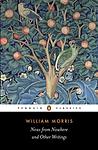
346. William Morris
William Morris was a British textile designer, poet, novelist, translator, and socialist activist associated with the British Arts and Crafts Movement. He was a major contributor to the revival of traditional British textile arts and methods of production.

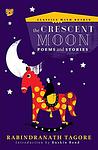
347. Rabindranath Tagore
Rabindranath Tagore was a Bengali polymath who reshaped Bengali literature and music, as well as Indian art with Contextual Modernism in the late 19th and early 20th centuries. Author of Gitanjali and its 'profoundly sensitive, fresh and beautiful verse', he became the first non-European to win the Nobel Prize in Literature in 1913.



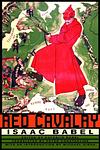
348. Isaac Babel
Isaac Babel was a Russian writer, journalist, and playwright, best known for his collections of short stories, such as 'Red Cavalry' and 'Odessa Tales'. He is considered one of the greatest writers of the 20th century.


349. Louisa May Alcott
Louisa May Alcott was an American novelist and poet best known as the author of the novel 'Little Women' and its sequels 'Little Men' and 'Jo's Boys'.

350. Geoffrey Chaucer
Geoffrey Chaucer was an English poet and author, widely considered the greatest English poet of the Middle Ages. He is best known for 'The Canterbury Tales.'

