The Greatest Authors of All Time
Ever wondered who the greatest authors of all time are? We've analyzed 759 diverse book lists to create this comprehensive ranking of literary masters. Our algorithm considers several key factors to determine each author's position:
- Book Rankings: Each author's score starts with the sum of their books' rankings from our master list.
- Number of Great Books: Authors are rewarded for having multiple highly-ranked books. The more great books an author has, the higher their overall score.
- Age of Books: Older books receive a small bonus to their score, with the maximum bonus going to books over 100 years old.
This system ensures that authors with multiple enduring works are recognized, while still giving weight to the quality of individual books. The rankings are automatically calculated and updated as new lists are added to our database.
351. Mervyn Peake
Mervyn Peake was an English writer, artist, poet, and illustrator, best known for his Gormenghast series of novels.


352. Richard Matheson
Richard Matheson was an American author and screenwriter, primarily in the fantasy, horror, and science fiction genres. He is best known for his novel 'I Am Legend,' as well as his work on 'The Twilight Zone' television series.




353. David Hume
David Hume was a Scottish Enlightenment philosopher, historian, economist, and essayist, known especially for his philosophical empiricism and skepticism.



354. Tove Jansson
Tove Jansson was a Finnish author, painter, illustrator, and comic strip author. She is best known as the creator of the Moomin series of books for children, which have been translated into many languages and adapted into various media.


355. Ross Macdonald
Ross Macdonald, born Kenneth Millar, was a Canadian-American writer of crime fiction, best known for his series of novels featuring private detective Lew Archer. His works are considered some of the finest in the genre, blending complex characters with intricate plots.





356. Roland Barthes
Roland Barthes was a French literary theorist, philosopher, linguist, critic, and semiotician. He is best known for his influential works on the nature of literary and cultural texts, including 'Mythologies' and 'Camera Lucida'.



357. Boris Vian
Boris Vian was a French polymath: writer, poet, musician, singer, translator, critic, actor, inventor and engineer. He is best known for his novels, particularly 'Foam of the Daze' (L'Écume des jours) and 'I Spit on Your Graves' (J'irai cracher sur vos tombes), the latter written under the pseudonym Vernon Sullivan.




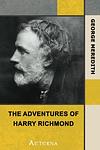
358. George Meredith
George Meredith was an English novelist and poet of the Victorian era. He is known for his innovative narrative style and his works often explore themes of social change and the complexities of human relationships.

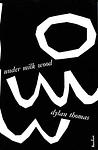
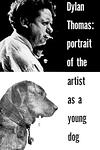
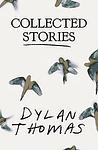
359. Dylan Thomas
Dylan Thomas was a Welsh poet and writer whose works include the famous 'Do not go gentle into that good night' and 'Under Milk Wood'. He is known for his lyrical and emotive style, and his works have had a lasting impact on the literary world.


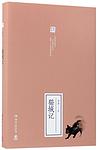
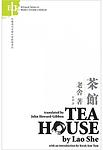
360. Lao She
Lao She, born Shu Qingchun, was a prominent Chinese novelist and dramatist, best known for his novel 'Rickshaw Boy' and the play 'Teahouse'. His works often depicted the lives of ordinary people in Beijing and critiqued social injustices.


361. Joost van den Vondel
Joost van den Vondel was a Dutch playwright and poet, considered one of the greatest writers in the Dutch language. He is best known for his plays and his influence on Dutch literature during the 17th century.


362. John Barth
John Barth is an American novelist and short-story writer known for his postmodernist and metafictional works. His notable works include 'The Sot-Weed Factor,' 'Giles Goat-Boy,' and 'Lost in the Funhouse.'


363. Gabriele D'Annunzio
Gabriele D'Annunzio was an Italian writer, poet, journalist, playwright, and soldier during World War I. He was a prominent figure in Italian literature and politics in the late 19th and early 20th centuries.



364. Ernst Jünger
Ernst Jünger was a German writer, philosopher, and soldier known for his works on war and technology. He is best known for his World War I memoir 'Storm of Steel' and his later philosophical and literary works.



365. Elena Ferrante
Elena Ferrante is the pseudonymous Italian author of several novels, the most famous of which is the four-volume series known as the Neapolitan Novels. Her true identity remains unknown, and she has chosen to remain anonymous throughout her career.



366. Pedro Calderón de la Barca
Pedro Calderón de la Barca was a renowned Spanish playwright, poet, and writer of the Spanish Golden Age. He is best known for his plays, particularly 'Life is a Dream' (La vida es sueño), which explore complex themes of reality, illusion, and human existence.

367. Javier Marias
Javier Marías was a renowned Spanish author, translator, and columnist. He was known for his literary works that often explored themes of memory, identity, and the nature of reality. Some of his notable works include 'A Heart So White' and 'Tomorrow in the Battle Think on Me'.



368. Augustine
Augustine of Hippo was an early Christian theologian and philosopher whose writings influenced the development of Western Christianity and Western philosophy. He is best known for his works 'Confessions' and 'The City of God'.


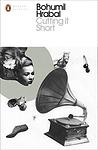
369. Bohumil Hrabal
Bohumil Hrabal was a Czech writer, often considered one of the greatest Czech writers of the 20th century. His works are known for their dark humor, unconventional narrative style, and vivid portrayal of ordinary life in Czechoslovakia.

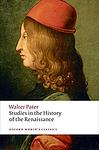
370. Walter Pater
Walter Pater was an English essayist, literary and art critic, and writer of fiction. He is best known for his advocacy of 'art for art's sake' and his influence on the Aesthetic Movement.



371. Georges Bataille
Georges Bataille was a French intellectual and literary figure known for his work in philosophy, literature, sociology, and anthropology. His writings explore themes of eroticism, mysticism, surrealism, and transgression.



372. Karel Čapek
Karel Čapek was a Czech writer, playwright, and critic, best known for his science fiction works including the play 'R.U.R.' (Rossum's Universal Robots), which introduced the word 'robot' to the world.


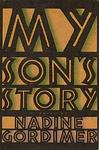
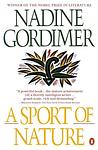
373. Nadine Gordimer
Nadine Gordimer was a South African writer and political activist. She received the Nobel Prize in Literature in 1991 and was known for her works that explored the complexities of racial and social issues in South Africa.



374. Jean Genet
Jean Genet was a French novelist, playwright, poet, essayist, and political activist. His works often explore themes of existentialism, rebellion, and the marginalized in society.


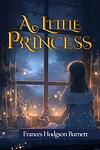
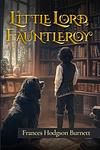
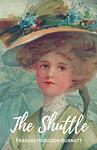
375. Frances Hodgson Burnett
Frances Hodgson Burnett was a British-American novelist and playwright. She is best known for her children's stories, including 'Little Lord Fauntleroy', 'A Little Princess', and 'The Secret Garden'.

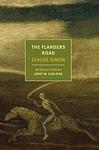
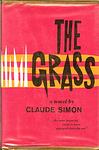
376. Claude Simon
Claude Simon was a French novelist and a key figure in the Nouveau Roman (New Novel) literary movement. He was awarded the Nobel Prize in Literature in 1985 for his innovative narrative techniques and his exploration of memory and perception.


377. John Fowles
John Fowles was an English novelist of international renown, critically positioned between modernism and postmodernism. His works include 'The Magus', 'The French Lieutenant's Woman', and 'The Collector'.


378. Hunter S. Thompson
Hunter S. Thompson was an American journalist and author, known for his flamboyant writing style and the creation of Gonzo journalism. He is best known for his book 'Fear and Loathing in Las Vegas'.


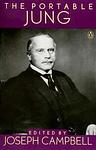
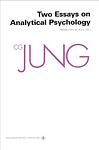
379. Carl Jung
Carl Gustav Jung was a Swiss psychiatrist and psychoanalyst who founded analytical psychology. Jung's work has been influential not only in psychiatry but also in anthropology, archaeology, literature, philosophy, and religious studies.




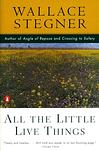
380. Wallace Stegner
Wallace Stegner was an American novelist, short story writer, environmentalist, and historian, often called 'The Dean of Western Writers.' He won the Pulitzer Prize for Fiction in 1972 and the U.S. National Book Award in 1977.



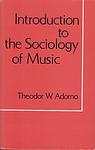
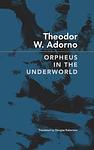
381. Theodor Adorno
Theodor Adorno was a German philosopher, sociologist, psychologist, musicologist, and composer known for his critical theory of society. He was a leading member of the Frankfurt School and made significant contributions to the study of culture, mass media, and aesthetics.



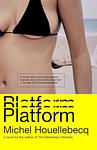
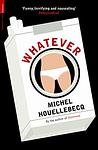
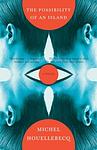
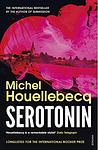
382. Michel Houellebecq
Michel Houellebecq is a French author, known for his controversial and provocative novels that often explore themes of alienation, sexuality, and the decline of Western civilization.



383. Italo Svevo
Italo Svevo, born Aron Ettore Schmitz, was an Italian writer and businessman, known for his novel 'Zeno's Conscience'. He is considered one of the most important figures in Italian literature of the early 20th century.


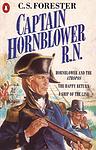
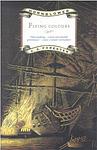
384. C. S. Forester
Cecil Scott Forester was a British author best known for his Horatio Hornblower series of novels about naval warfare during the Napoleonic Wars.

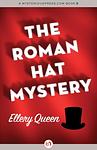
385. Ellery Queen
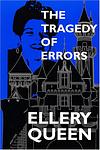
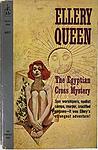
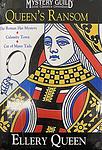
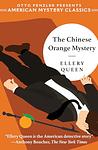
Ellery Queen is a pseudonym used by two American cousins, Frederic Dannay and Manfred Bennington Lee, who were prolific authors and editors of detective fiction. They are best known for their mystery novels and short stories featuring the fictional detective Ellery Queen.



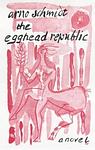
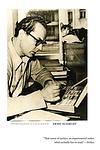
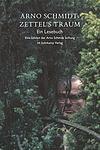
386. Arno Schmidt
Arno Schmidt was a German author and translator, known for his experimental and avant-garde literary style. His works often challenge traditional narrative structures and are noted for their complexity and depth.


387. Ann Radcliffe
Ann Radcliffe was an influential English author and pioneer of the Gothic novel. Her works, characterized by their vivid descriptions of landscapes and suspenseful plots, include 'The Mysteries of Udolpho' and 'The Italian'. She is often credited with shaping the Gothic fiction genre and inspiring future writers.


388. Arthur C. Clarke
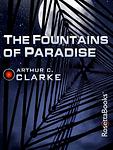
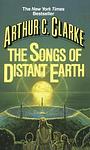
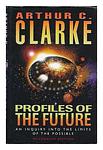
Arthur C. Clarke was a British science fiction writer, futurist, and inventor, best known for his novel '2001: A Space Odyssey' and his collaboration with director Stanley Kubrick on the film adaptation. He was a prolific author who made significant contributions to the genre of science fiction and was also known for his work in promoting space exploration.




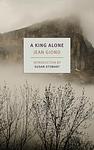
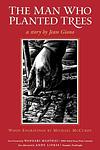
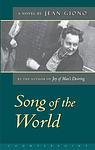
389. Jean Giono
Jean Giono was a renowned French author known for his works set in the Provence region of France. His literature often reflects his deep connection to nature and rural life. Some of his notable works include 'The Man Who Planted Trees' and 'Harvest.'

390. Samuel Taylor Coleridge
Samuel Taylor Coleridge was an English poet, literary critic, philosopher, and theologian who, along with his friend William Wordsworth, was a founder of the Romantic Movement in England and a member of the Lake Poets.


391. Marcus Tullius Cicero
Marcus Tullius Cicero was a Roman statesman, orator, lawyer, and philosopher, who served as consul in the year 63 BC. He is considered one of Rome's greatest orators and prose stylists.



392. Jeanette Winterson
Jeanette Winterson is a British writer known for her novels, which explore themes of gender, sexuality, and identity. She gained prominence with her first novel, 'Oranges Are Not the Only Fruit,' which won the Whitbread Award for a First Novel in 1985.




393. Ken Follett
Ken Follett is a Welsh author known for his thrillers and historical novels. He has written numerous bestsellers, including 'The Pillars of the Earth' and 'Eye of the Needle'.


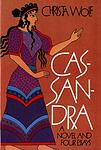
394. Christa Wolf
Christa Wolf was a prominent German writer known for her works that explore themes of memory, identity, and the social and political landscape of East Germany. She is considered one of the most important authors of post-World War II German literature.


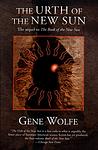
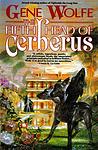
395. Gene Wolfe
Gene Wolfe was an American science fiction and fantasy writer known for his dense, allusive prose as well as the strong influence of his Catholic faith. He is best known for his multi-volume series, The Book of the New Sun.




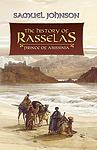
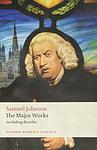
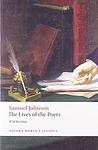
396. Samuel Johnson
Samuel Johnson, often referred to as Dr. Johnson, was an English writer who made lasting contributions to English literature as a poet, essayist, moralist, literary critic, biographer, editor, and lexicographer. He is best known for his dictionary of the English language, published in 1755.


397. Rene Descartes
René Descartes was a French philosopher, mathematician, and scientist who is often referred to as the father of modern philosophy. He is best known for his statement 'Cogito, ergo sum' ('I think, therefore I am'). His work laid the foundation for 17th-century continental rationalism and influenced later developments in philosophy and science.


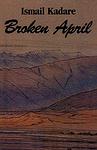
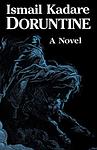
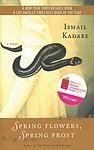
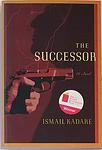
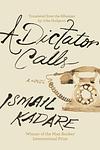
398. Ismail Kadare
Ismail Kadare is a renowned Albanian novelist and poet, known for his works that often explore themes of history, politics, and culture in Albania. He has received numerous international awards and is considered one of the most important contemporary writers in the Albanian language.



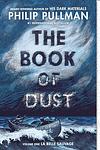
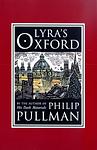
399. Philip Pullman
Philip Pullman is a renowned British author best known for his fantasy trilogy 'His Dark Materials'. His works often explore themes of religion, science, and human nature.



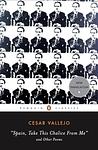
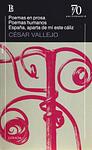
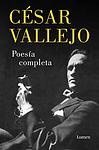
400. César Vallejo
César Vallejo was a Peruvian poet, writer, playwright, and journalist. He is considered one of the great poetic innovators of the 20th century, known for his avant-garde and deeply humanistic works. Vallejo's poetry often reflects his personal struggles, social injustices, and existential concerns.