The Greatest Authors of All Time
Ever wondered who the greatest authors of all time are? We've analyzed 759 diverse book lists to create this comprehensive ranking of literary masters. Our algorithm considers several key factors to determine each author's position:
- Book Rankings: Each author's score starts with the sum of their books' rankings from our master list.
- Number of Great Books: Authors are rewarded for having multiple highly-ranked books. The more great books an author has, the higher their overall score.
- Age of Books: Older books receive a small bonus to their score, with the maximum bonus going to books over 100 years old.
This system ensures that authors with multiple enduring works are recognized, while still giving weight to the quality of individual books. The rankings are automatically calculated and updated as new lists are added to our database.
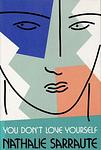
401. Nathalie Sarraute
Nathalie Sarraute was a French lawyer and writer, often associated with the Nouveau Roman (New Novel) literary movement. Her works are known for their exploration of the inner thoughts and feelings of her characters, often eschewing traditional plot structures.


402. Mary Stewart
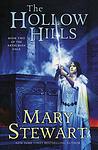
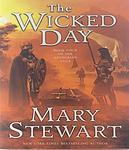
Mary Stewart was a British novelist best known for her romantic suspense novels and her Merlin series, which helped popularize the modern Arthurian fantasy genre.





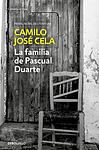
403. Camilo José Cela
Camilo José Cela was a Spanish novelist, short story writer, and essayist associated with the Generation of '36 movement. He won the Nobel Prize in Literature in 1989 for his rich and intensive prose, which with restrained compassion forms a challenging vision of man's vulnerability.


404. Michael Chabon
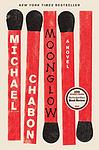
Michael Chabon is an American novelist and short story writer known for his complex and imaginative works. He won the Pulitzer Prize for Fiction in 2001 for his novel 'The Amazing Adventures of Kavalier & Clay'.


405. James M. Cain
James M. Cain was an American author and journalist, known for his hardboiled crime fiction. His notable works include 'The Postman Always Rings Twice' and 'Double Indemnity,' both of which were adapted into successful films.


406. Par Lagerkvist
Pär Lagerkvist was a Swedish author who was awarded the Nobel Prize in Literature in 1951. He is known for his works exploring the human condition and existential themes, including 'The Dwarf' and 'Barabbas'.


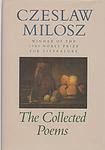
407. Czesław Miłosz
Czesław Miłosz was a Polish poet, prose writer, translator, and diplomat. He is widely regarded as one of the greatest poets of the 20th century and was awarded the Nobel Prize in Literature in 1980.



408. Stéphane Mallarmé
Stéphane Mallarmé was a French poet and critic, a major figure in the Symbolist movement. His work anticipated and inspired several revolutionary artistic schools of the early 20th century, such as Dadaism, Surrealism, and Futurism.

409. Anthony Berkeley
Anthony Berkeley Cox was an English crime writer and a founding member of the Detection Club. He wrote under several pseudonyms, including Anthony Berkeley and Francis Iles. He is known for his innovative and influential contributions to the genre of detective fiction.


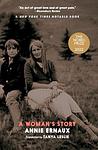
410. Annie Ernaux
Annie Ernaux is a renowned French author known for her works that explore personal and collective memory, social class, and gender. Her writing often blurs the lines between autobiography and fiction, providing a deep introspection into her own life and the societal changes around her.




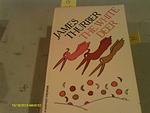
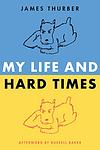
411. James Thurber
James Grover Thurber was an American cartoonist, author, humorist, journalist, playwright, and celebrated wit. He was best known for his cartoons and short stories, published mainly in The New Yorker magazine and collected in his numerous books.



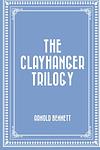
412. Arnold Bennett
Arnold Bennett was a British novelist, playwright, and essayist, best known for his novels set in the Potteries, the industrial region of Staffordshire where he was born. His most famous works include 'The Old Wives' Tale' and the 'Clayhanger' series.


413. Thomas Harris
Thomas Harris is an American author best known for his series of suspense novels featuring the character Hannibal Lecter. His works include 'Red Dragon,' 'The Silence of the Lambs,' 'Hannibal,' and 'Hannibal Rising.' Harris's novels have been adapted into several successful films and television series.



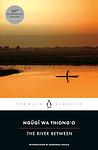
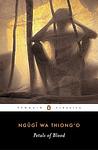
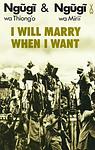
414. Ngũgĩ wa Thiong’o
Ngũgĩ wa Thiong'o is a renowned Kenyan writer and academic, known for his works in literature and his advocacy for African languages. He has written novels, plays, and essays, and is a prominent figure in post-colonial literature.

415. James A. Michener
James Albert Michener was a Pulitzer Prize-winning American author known for his epic and detailed historical novels, often spanning centuries and covering various geographical regions. Some of his most famous works include 'Tales of the South Pacific,' 'Hawaii,' and 'The Source.'


416. L. P. Hartley
L. P. Hartley was an English novelist and short story writer known for his works exploring themes of social class and the passage of time. His best-known novel is 'The Go-Between', which was adapted into a film in 1971.


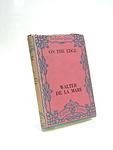
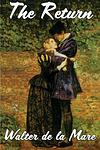
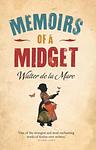
417. Walter de la Mare
Walter de la Mare was an English poet, short story writer, and novelist, best known for his works for children and his ghost stories. His notable works include 'The Listeners' and 'Memoirs of a Midget'.

418. Elsa Morante
Elsa Morante was an Italian novelist and poet, known for her significant contributions to 20th-century Italian literature. Her notable works include 'La Storia' and 'L'isola di Arturo,' which have been translated into multiple languages and have received critical acclaim.


419. Claude Lévi-Strauss
Claude Lévi-Strauss was a French anthropologist and ethnologist whose work was key in the development of the theory of structuralism and structural anthropology. He is considered one of the most significant social scientists of the 20th century.


420. Niccolo Machiavelli
Niccolò Machiavelli was an Italian Renaissance political philosopher and historian, best known for his political treatise, 'The Prince,' which is often regarded as one of the most significant works in political theory.


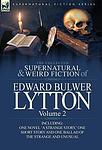
421. Edward Bulwer-Lytton
Edward Bulwer-Lytton was a British novelist, poet, playwright, and politician. He is best known for his works such as 'The Last Days of Pompeii' and for coining phrases like 'the pen is mightier than the sword.'


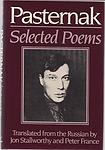
422. Boris Pasternak
Boris Pasternak was a Russian poet, novelist, and literary translator. He is best known for his novel 'Doctor Zhivago', which was banned in the Soviet Union but won the Nobel Prize for Literature in 1958.

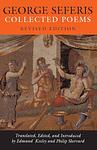
423. George Seferis
George Seferis, born Georgios Seferis, was a renowned Greek poet and diplomat. He was one of the most important Greek poets of the 20th century and was awarded the Nobel Prize in Literature in 1963.


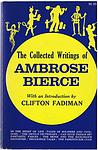
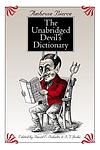
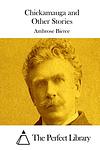
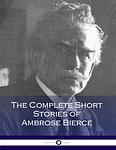
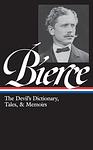
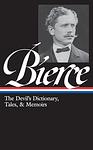
424. Ambrose Bierce
Ambrose Bierce was an American short story writer, journalist, poet, and Civil War veteran, best known for his satirical work 'The Devil's Dictionary' and his short story 'An Occurrence at Owl Creek Bridge.'

425. Jorge Amado
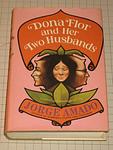
Jorge Amado was a Brazilian writer of the modernist school. His works have been translated into 49 languages and have been adapted into films, theatrical works, and television programs. Amado's literary work reflects the culture and customs of the Brazilian people, particularly those from the northeastern state of Bahia.


426. Carlos Fuentes
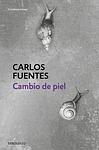
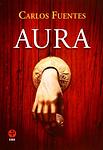
Carlos Fuentes was a renowned Mexican novelist and essayist, considered one of the most prominent Latin American writers of the 20th century. He is best known for his works such as 'The Death of Artemio Cruz' and 'Aura'.



427. Bret Easton Ellis
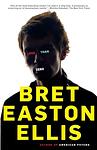
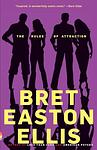
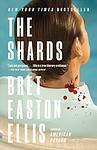
Bret Easton Ellis is an American author, screenwriter, and short story writer. He is known for his novels such as 'American Psycho', 'Less Than Zero', and 'The Rules of Attraction'. His works often explore themes of nihilism, consumerism, and the dark side of human nature.



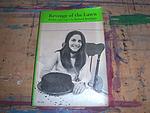
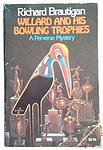
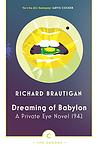
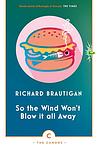
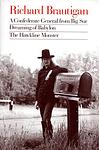
428. Richard Brautigan
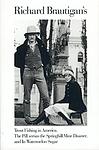
Richard Brautigan was an American novelist, poet, and short story writer. He is best known for his works that blend elements of satire, black comedy, and the countercultural movements of the 1960s. His most famous novel is 'Trout Fishing in America'.
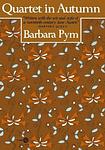
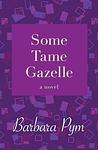
429. Barbara Pym
Barbara Pym was an English novelist known for her series of social comedies. Her works often explore the lives of women in post-World War II England, focusing on themes of love, friendship, and the small dramas of everyday life.


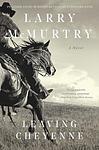
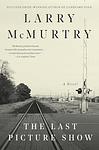
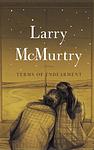
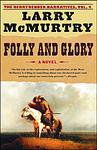
430. Larry McMurtry
Larry McMurtry was an American novelist, essayist, and screenwriter known for his works set in the American West. He won the Pulitzer Prize for his novel 'Lonesome Dove' and co-wrote the Academy Award-winning screenplay for 'Brokeback Mountain'.



431. Ira Levin
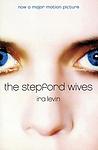
Ira Levin was an American novelist, playwright, and songwriter. He is best known for his works in the horror and thriller genres, including 'Rosemary's Baby,' 'The Stepford Wives,' and 'The Boys from Brazil.' His works often explore themes of control, manipulation, and the darker sides of human nature.


432. Paul Auster
Paul Auster is an American author known for his distinctively postmodern, often metafictional, narratives. His notable works include 'The New York Trilogy,' 'Moon Palace,' and 'The Brooklyn Follies.' He has also worked as a director and screenwriter.




433. Simon Vestdijk
Simon Vestdijk was a prolific Dutch writer, poet, and essayist, known for his novels, short stories, and literary criticism. He is considered one of the most important Dutch authors of the 20th century.


434. Neil Gaiman
Neil Gaiman is a British author known for his works of fiction, including novels, short stories, graphic novels, and films. He is acclaimed for his imaginative storytelling and has received numerous awards for his contributions to literature.



435. G. Oliver Onions
George Oliver Onions, known as Oliver Onions, was a British writer of short stories and novels. He is best known for his ghost stories, particularly the collection 'Widdershins'.
436. Emily Dickinson
Emily Dickinson was an American poet known for her unique and unconventional style of poetry. She lived much of her life in reclusive isolation but produced a vast body of work that has had a significant impact on American literature.


437. Paulo Coelho
Paulo Coelho is a Brazilian author best known for his novel 'The Alchemist,' which has become one of the best-selling books in history. His works often explore themes of spirituality, destiny, and self-discovery.


438. Arthur Schopenhauer
Arthur Schopenhauer was a German philosopher best known for his work 'The World as Will and Representation'. He is often regarded as a pessimist and his philosophy has influenced many later thinkers, including Friedrich Nietzsche, Sigmund Freud, and Richard Wagner.



439. Mihail Sadoveanu
Mihail Sadoveanu was a prominent Romanian novelist, short story writer, and political figure, known for his works that often depicted rural life and historical themes in Romania. He was one of the most prolific and influential Romanian authors of the 20th century.

440. Fanny Burney
Frances Burney, also known as Fanny Burney, was an English satirical novelist, diarist, and playwright. She is best known for her novels 'Evelina' and 'Camilla'. Her works were highly influential in the development of the novel and she was a significant figure in the literary world of her time.


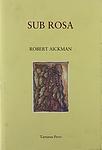
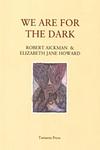
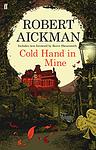
441. Robert Aickman
Robert Aickman was an English writer known for his supernatural fiction, particularly his 'strange stories'. He was also a conservationist and co-founder of the Inland Waterways Association.


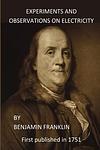
442. Benjamin Franklin
Benjamin Franklin was one of the Founding Fathers of the United States. He was a polymath, inventor, scientist, printer, politician, freemason, and diplomat. Franklin is known for his discoveries and theories regarding electricity and for his role in drafting the Declaration of Independence and the U.S. Constitution.


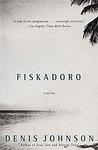
443. Denis Johnson
Denis Johnson was an American writer best known for his short story collection 'Jesus' Son' and his novel 'Tree of Smoke,' which won the National Book Award for Fiction in 2007. His work often explores themes of addiction, violence, and redemption.



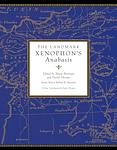
444. Xenophon
Xenophon was an ancient Greek historian, philosopher, and soldier. He is known for his writings on the history of his own times, the sayings of Socrates, and the life of ancient Greece.
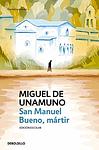
445. Miguel de Unamuno
Miguel de Unamuno y Jugo was a Spanish essayist, novelist, poet, playwright, philosopher, and professor of Greek and Classics. He was a significant figure in the Spanish literary and intellectual landscape of the early 20th century, known for his works that explore existentialism, faith, and the human condition.



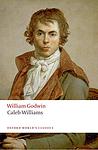
446. William Godwin
William Godwin was an English journalist, political philosopher, and novelist. He is considered one of the first exponents of utilitarianism and the first modern proponent of anarchism. His most famous works include 'An Enquiry Concerning Political Justice' and the novel 'Caleb Williams'.


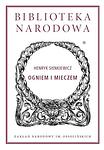
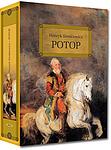
447. Henryk Sienkiewicz
Henryk Sienkiewicz was a renowned Polish novelist, journalist, and Nobel Prize laureate. He is best known for his historical novels, including 'Quo Vadis' and the 'Trilogy' series, which have been translated into many languages and remain popular worldwide.

448. P. C. Hooft
Pieter Corneliszoon Hooft was a Dutch historian, poet, and playwright from the Dutch Golden Age. He is often considered one of the most important figures in Dutch literature and is known for his works that contributed to the cultural and literary development of the Netherlands.


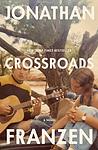
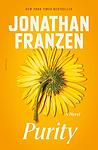
449. Jonathan Franzen
Jonathan Franzen is an American novelist and essayist known for his works such as 'The Corrections' and 'Freedom'. He has received numerous awards and honors for his writing, including the National Book Award.


450. Hilary Mantel
Hilary Mantel was an acclaimed British author best known for her historical fiction. She won the Booker Prize twice, for her novels 'Wolf Hall' and 'Bring Up the Bodies', which are part of a trilogy about Thomas Cromwell.